Metal detecting rules updated in Gladstone
-
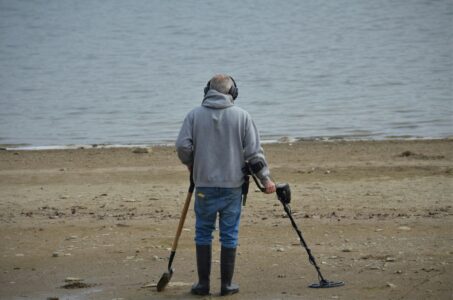
- A man walks on a beach with a metal detector and shovel. The City of Gladstone recently expanded the list of places where people can use such materials. (Photo by Roger Starnes via Unsplash)
-
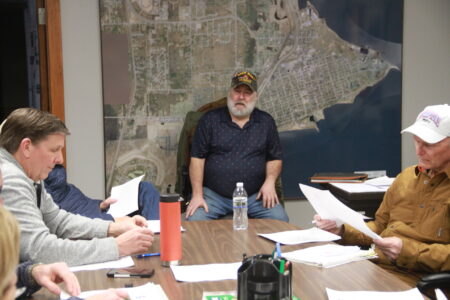
- Local man Kelly King speaks to the Gladstone Parks and Recreation Advisory Board about metal detecting on March 3. (R. R. Branstrom | Daily Press)
-
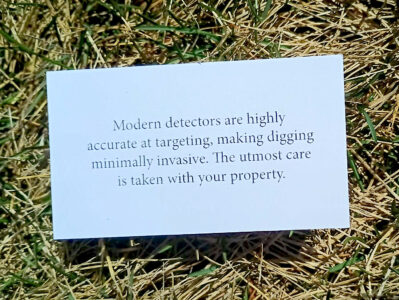
- The back of “metal detecting hobbyist” Kelly King’s card informs people that modern metal detectors target accurately and that he takes care when digging. (Courtesy)
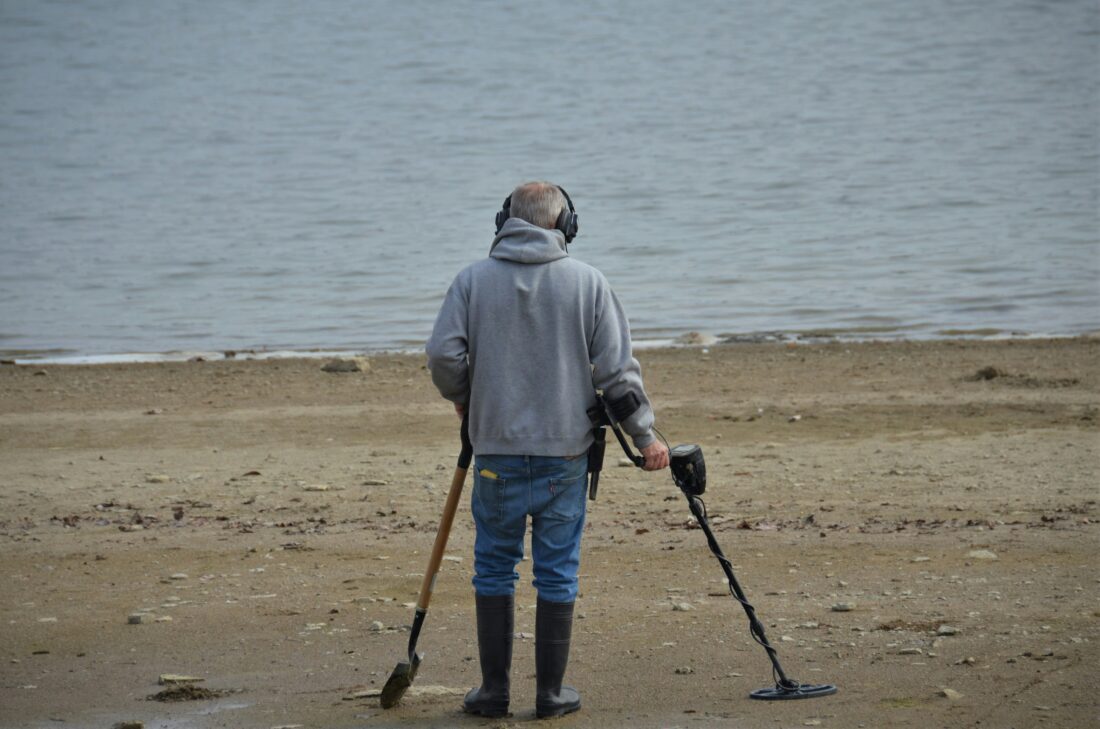
A man walks on a beach with a metal detector and shovel. The City of Gladstone recently expanded the list of places where people can use such materials. (Photo by Roger Starnes via Unsplash)
GLADSTONE — It may not be a huge group, but metal detecting enthusiasts in the Gladstone area have more freedoms after the Parks and Recreation Advisory Board and City Commission approved changes to the city’s metal detecting policy. Parks are now fair game, provided certain rules are followed.
The topic was first brought to the Gladstone City Commission by resident Kelly King in January, who requested permission to dig on grassy public lands. A policy established by the city in 2014 allowed “the use of metal detectors on public property with surfaces that are made up of woodsheds, gravel and sand,” but notably not turf.
“The City of Gladstone has recognized metal detecting as a legitimate recreation activity when it is conducted in ways that do not damage the natural and cultural resources in the City of Gladstone nor violate applicable state laws. The use of electronic metal detectors to find lost coins, rings, watches or other valuables is a popular activity,” reads the policy’s introduction.
Before operating in Gladstone, people with metal detectors are required to obtain a permit. The current rate for a permit, good for one year, is five dollars.
King’s complaints at the beginning of this year were that (a) the city’s list of allowed digging spots was very limited and (b) there was no clear penalty for failing to obtain a permit or breaking the policy.
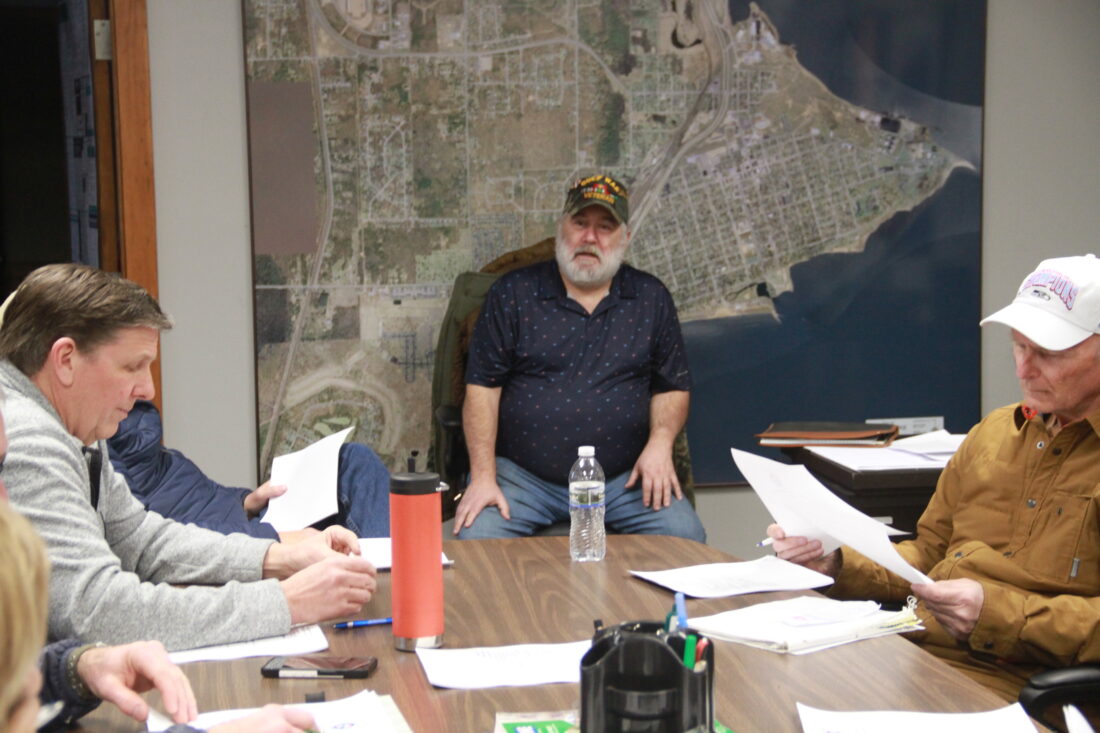
Local man Kelly King speaks to the Gladstone Parks and Recreation Advisory Board about metal detecting on March 3. (R. R. Branstrom | Daily Press)
“Failure to fill in your holes — There should be punishment for that,” he said.
King stated that he is a responsible detector:
“I’m a good digger. My plugs go back in the hole. I could probably dig on a golf course and you wouldn’t know I was there,” King told the commission during public comment at the Jan. 26 meeting. “I’m currently teaching my young granddaughter, she’s 12, how to be a good digger and put a plug back and not tear up places.”
He explained that he sometimes offers to help people find lost belongings, and he always asks permission before detecting on someone’s property. Business cards that King hands out describe him as a “metal detecting hobbyist” and say that “lost valuables and rings (are) found free of charge.”
The city manager advised King to bring the matter up to the Parks and Recreation Advisory Board.
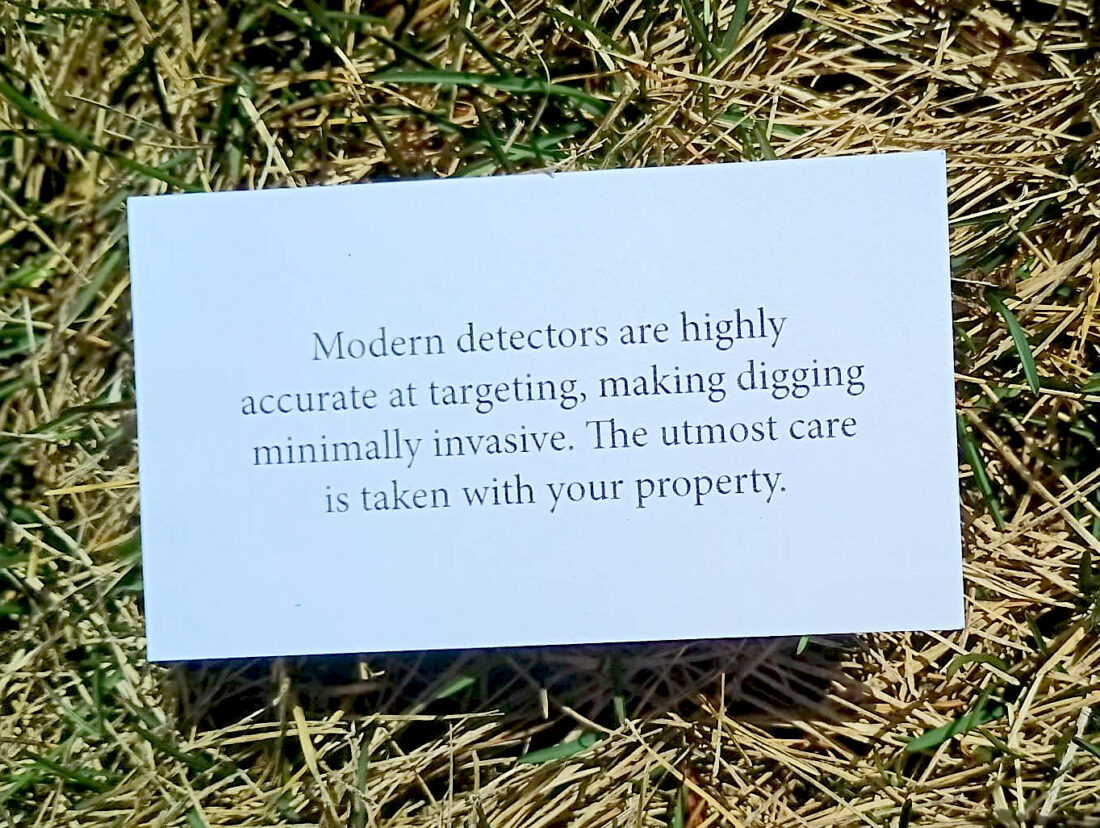
The back of "metal detecting hobbyist" Kelly King's card informs people that modern metal detectors target accurately and that he takes care when digging. (Courtesy)
As suggested, King then attended a March 3 meeting and spoke to the advisory board — made up of a group of citizens who offer guidance to the Parks and Recreation Department.
A topic of discussion at that meeting was the origins of the current policy in Gladstone. People in the past had apparently been arguably irresponsible and disrespectful while metal detecting, so today’s honest hobbyists are disappointed they have to abide by such restrictive regulations.
People digging on private property without permission or leaving a mess should be ticketed, King opined.
“Public safety does routine patrols, and it’s no different than a game warden stopping and asking to check your fishing license,” he said.
After some debate, the Parks and Recreation Advisory Board and Director Wendy Taavola crafted updates to the policy.
According to the newly-approved policy, metal detecting is allowed on Gladstone’s public lands covered in grass in addition to the previously-allowed surfaces of gravel, woodchips and sand.
There are exceptions, however. Metal detecting is not permitted in cemeteries, on athletic fields during active seasons, archeological or historic sites, and landscaped areas such as flower beds.
Though boulevards are technically public property, it is homeowners’ responsibility to maintain them; therefore, detectors must get permission from the associated resident before digging on a city boulevard.
Found property that has been reported lost to Gladstone Public Safety must be returned to its rightful owner.
The metal detecting policy revisions were approved by the Gladstone City Commission on Monday.
Local News

Summer creativity

The wrong kind of fire truck

Garth Bluff Grocery to reopen
School leaders urge budget deal as July 1 deadline nears
LANSING — The Michigan Association of School Boards (MASB) and Michigan Association of Superintendents and ...
Convicted felon from Garden arraigned on with felony weapons, drug charges