
Deer numbers down at DNR office
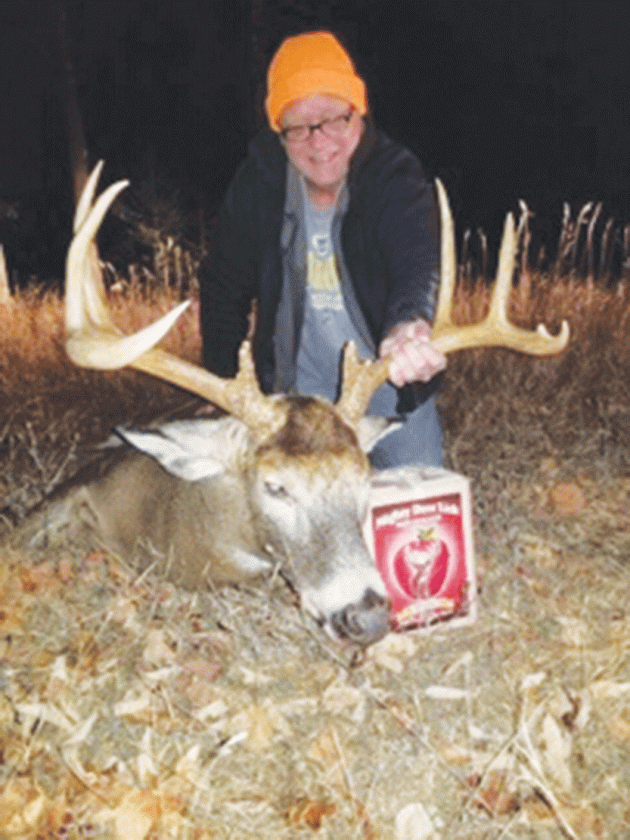
Courtesy photo Steve Janke shot this eight-point buck November 21 on the Mighty Deer Lick Farm in Powers. The deer was estimated to be three years old.
ESCANABA — During the 2020 firearm deer season the Michigan Department of Natural Resource field office in Escanaba registered 520 deer, 10% less than 2019 deer check totals, and 17% below the 10 year average established from 2011-2020. 414 of deer harvested were big bucks. Michigan DNR Wildlife Technician Colter Lubben said the comparison is preliminary at this time, and cited several factors in generating these numbers. One factor was state restrictions due to the COVID-19 pandemic. Other influences included reduced check station hours, reduced disease surveillance and poor weather conditions.
Serving the south-central part of the Upper Peninsula, the majority of the deer that the Escanaba DNR Customer Service Center registers are from Delta and Menominee counties, with additional registrations from Marquette, Alger and Southern Schoolcraft counties.
Comments heard by DNR staff at the deer check stations suggest concerns about COVID-19 may have lowered the number of people at camp this year, resulting in fewer hunters in the woods. Hunters also remarked of fewer deer overall, fewer 1.5-year-old bucks and does, and fewer fawns. Lubben cautions that this information is anecdotal at best. He also notes reports of fewer deer sightings came largely from areas to the north, including those that received higher levels of snowfall. “We will have a better understanding of the extent of this as we receive results from the mail-in harvest surveys, voluntary harvest surveys, U.P. deer camp surveys, and Mackinac Bridge Authority data,” said Lubben. Compiling the information will give the Escanaba DNR staff a more complete, data-driven picture of the number of people in the woods as well as the effect it may have had on the harvest.
The DNR Wildlife Division uses several surveys to collect data. In addition to the U.P. Deer Camp Survey, which has been conducted since the mid-1990s, the DNR also sends out a mail-in survey to randomly selected hunters. Hunters can also complete a voluntary survey via the internet. Those interested in the U.P. deer camp survey results can expect them to be reported around the first week of February. The results of the mail-in and voluntary surveys are compiled and typically reported in August.
With just under a month left of hunting season, it’s too soon to estimate a success rate for hunters in 2020. Lubben says that while it’s realistic that 30-40% of hunters will harvest at least one dear in the Upper Peninsula each year, consecutive tough winters may reduce this number to closer to 20%. When asked which counties are likely to produce the highest deer harvest this year, Lubben says it’s too early for final numbers, but the highest success rates historically occur in the south-central U.P., encompassing Delta, Menominee and Dickinson counties. He cites lower snowfall and higher agriculture in these areas, both of which are beneficial to deer herd abundance and over-winter survival.
Most of the deer that have been brought through the Escanaba DNR CSC check station thus far had “good body condition and average antler development,” according to Lubben. Age classes were similar to past years, with most of the bucks between 2.5 and 3.5 years old.
Lubben noted more 4.5 to 5.5-year-old bucks this year, which, he says, “Makes sense considering the milder winters we experienced when those bucks would have been fawns.” Though Lubben again cautions that this is anecdotal evidence, he acknowledges the areas showing below-average antler development correlate with areas that typically receive heavier snowfall.
Asked about whether Chronic Wasting Disease was a factor in herd health this year, Lubben says that, “the DNR still believes that CWD poses a real threat to Michigan’s deer herd and we are interested in learning all we can about the disease and where it is located in Michigan.” Even with the testing limitations and resource shortages the department is facing due to COVID-19, he says the Michigan DNR will probably test more deer for disease than most states in the U.S. The Michigan DNR has arranged to give hunters the opportunity to have their deer tested for CWD by participating in USDA-approved lab testing.
Chronic Wasting Disease has been identified in the core CWD surveillance area in the Upper Peninsula in parts of Delta, Dickinson, and Menominee counties. Deer heads will be accepted for CWD testing from these counties from October 3 – January 4 to gather the additional information needed to determine the extent of the disease. The CWD sampling goal in this surveillance area is 1,927. To date the DNR has tested 291 deer.
Local News

Judicial candidates in Esky today

Gladstone artist in Michigan sticker contest

Graduation, scholarships mark milestones for EHS Class of 2026
Kayaker found deceased following search on Green Bay
MENOMINEE – A kayaker was found dead on Green Bay following an overnight search operation. At approximately 7:37 ...
Hannahville to celebrate 50 years of Great Lakes Area Traditional Powwow