
Squaw Point Lighthouse: Gone but not forgotten
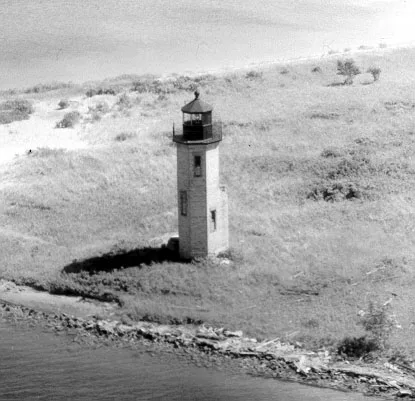
Squaw Point Lighthouse (Photo courtesy of the United States Coast Guard)
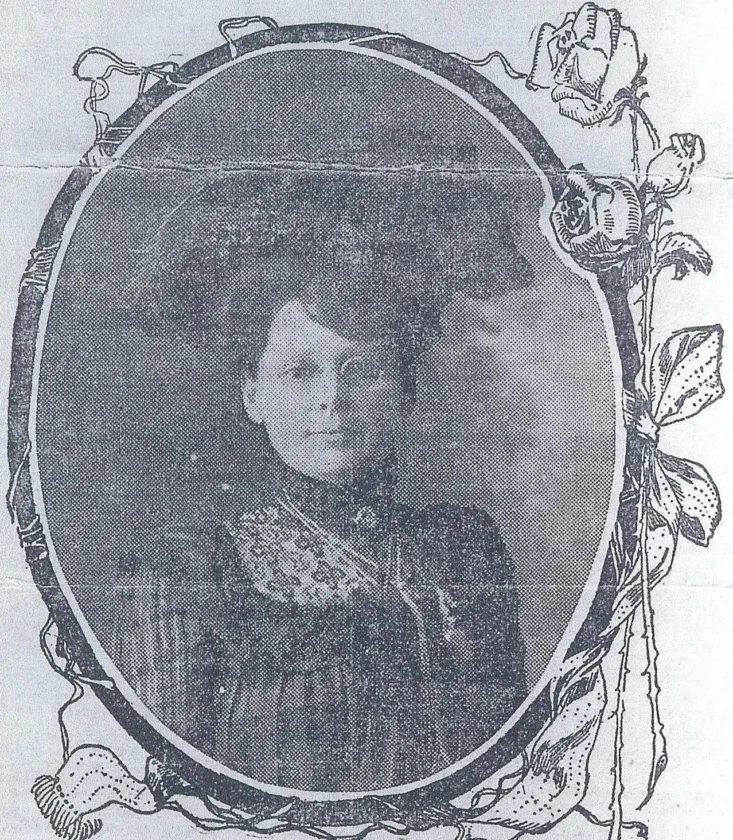
Katherine “Kate” Marvin became the second keeper of the Squaw Point Lighthouse after the death of her husband, Lemeul, in 1897. (Photo courtesy of the Delta County Historical Society)
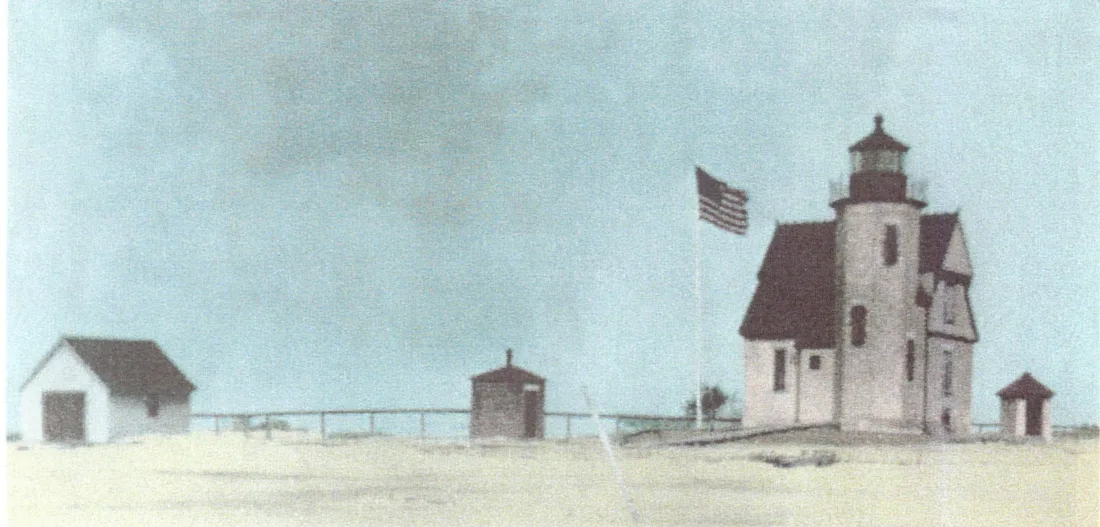
Colorized photo of the Squaw Point Lighthouse and surrounding structures (Photo courtesy of the Delta County Historical Society)
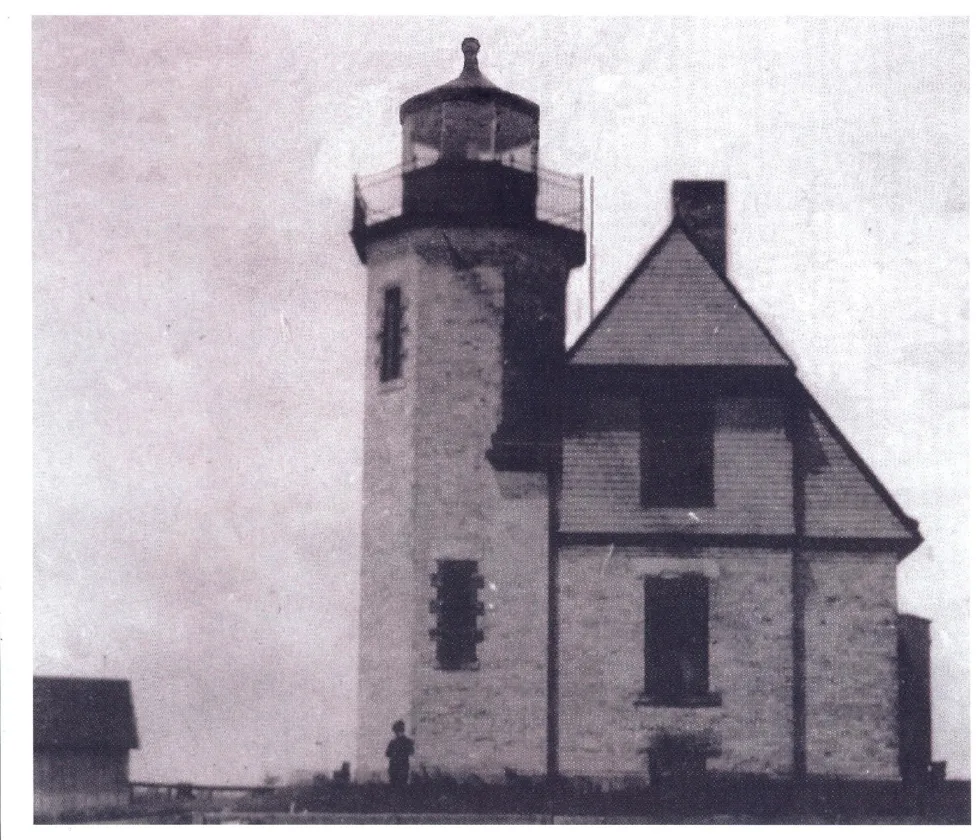
Squaw Point Lighthouse and keeper's dwelling (Photo courtesy of the Delta County Historical Society)
Squaw Point Lighthouse (Photo courtesy of the United States Coast Guard)
Katherine “Kate” Marvin became the second keeper of the Squaw Point Lighthouse after the death of her husband, Lemeul, in 1897. (Photo courtesy of the Delta County Historical Society)
Colorized photo of the Squaw Point Lighthouse and surrounding structures (Photo courtesy of the Delta County Historical Society)
Squaw Point Lighthouse and keeper's dwelling (Photo courtesy of the Delta County Historical Society)
Trending
Editor’s note: This story on the Squaw Point Lighthouse is the seventh in a series on the area’s lighthouses and lightships.
LITTLE BAY DE NOC -- Although the Squaw Point Lighthouse has vanished from the shoreline, its legacy endures in the stories of the keepers who maintained it and the mariners who relied on its beacon.
On March 2,1895, Congress approved the sum of $5,000 to establish a light at or near Squaw Point to aid vessels entering the ports of Gladstone and Masonville. Squaw Point lies opposite the city of Gladstone on the Little Bay de Noc arm of northern Green Bay.
According to records from the National Archives, negotiations relative to obtaining the title to the site began in 1896. An offer was accepted to sell one acre for $750, and construction on the lighthouse began in May 1897.
The lighthouse was built of cream-colored brick and consisted of a story and a half dwelling with an attached octagonal tower topped by an octagonal lantern room. It displayed a fifth order Fresnel lens with a red-sector to warn ships off the sandy shallows adjacent to the point.
The light was officially established on Aug. 16, 1897. That same year, the first and only woman keeper of the Squaw Point Lighthouse was appointed after the death of her husband.
Katherine "Kate" Marvin became the second keeper of the light at approximately 50 years old upon the death of her husband, Lemeul, who had only held the post six months at the time of his sudden death.
Kate was keeper of Squaw Point from 1897 to 1904, according to the United States Coast Guard Historian's Office.
A newspaper report from Oct. 10, 1903, detailed Marvin's life as keeper, calling it an "uneventful, but happy life for a soldier's widow."
Kate reportedly lived at the site with her two young children and grown son, though it was reported she had 10 children in total. She was born in Detroit and married at the age of 16.
Her husband, Lemeul, was seriously injured in the Civil War, and the effects of his injuries significantly affected his health throughout his life. For many years, Lemeul was a Baptist minister but was forced to give up the ministry as his health continuously failed.
According to historical reports, Lemeul was able to obtain the position of keeper at the newly-built Squaw Point Lighthouse through an influential friend in Washington.
Upon her husband's death, Kate decided to apply for the keeper position to support her children. She was first given the job for a probationary period of three months, but she proved herself quickly and remained keeper for several years.
Although the salary was not large, the government provided a comfortable home of the lighthouse and many supplies. She kept oil in the lantern and the glass polished, among several other demanding duties.
The lamp would be lit at sunset, and a fresh lamp would be inserted at midnight before being extinguished at sunrise. Kate reportedly had to keep a strict account of her supplies down to the ounce of oil. She would make monthly, quarterly and absent reports and logged every absence from the site, even an hour's visit to Gladstone across the bay.
While many newspapers and magazines often report she was a lonely woman left to live a life of isolation after her husband's death, other reports state she was fully occupied with her duties, housekeeping, children, books, music and occasional trips to Gladstone or Escanaba.
A 2004 issue of the Delta Historian from the Delta County Historical Society detailed how the Marvins came to be keepers of the light.
In the fall of 1914, a lighthouse inspector for the 12th District wrote to the Bureau of Lighthouses in Washington D.C., recommending that the lighthouses at Squaw Point and Saunder's Point in Gladstone be lit by acetylene tanks and be unmanned.
The Sand Point Lighthouse keeper in Escanaba was then given the responsibility of tending to the lights at Squaw Point and Saunder's Point while manning Sand Point.
In order to carry out the new responsibilities, the boathouse and boat from Squaw Point were transferred to Sand Point for the use of the Escanaba keeper in the spring of 1915.
The historical boathouse still stands on the site of the Sand Point Lighthouse in Escanaba.
The Sand Point Lighthouse keeper reportedly continued to be responsible for the three lights for many years.
On Aug. 9, 1921, The Delta County Reporter published a story on area forest fires raging all through the county, which badly burned the Squaw Point Lighthouse. While the brick walls and tower were still standing after the fire, the remains of the house and all other station structures were demolished.
A reestablished light was placed in the free-standing tower, which became victim to vandals overtime.
The Daily Press in Escanaba reported of damage to the lens and windows of the light's lantern room in 1933. Rifle marksmen "used the Squaw Point lighthouse across the bay for a target," even shooting the lighthouse door's lock to enter the building.
Reports indicate damage from vandals, although not quite as extreme as the rifle marksmen's, occurred frequently at the site.
The lighthouse was dismantled in 1962, and the light was transferred from the brick tower to a solid steel pole about 30 feet south of the previous lighthouse. The light was finally discontinued in 1993 and removed from the site sometime thereafter.
Today, the point is marked by an offshore buoy. The history of Squaw Point remains hidden, as no trace of the light station remains and the property is now privately owned.
------
Sophie Vogelmann can be reached at 906-786-2021 or svogelmann@dailypress.net.