
These bipartisan bills were noncontroversial -- until Trump vetoed them
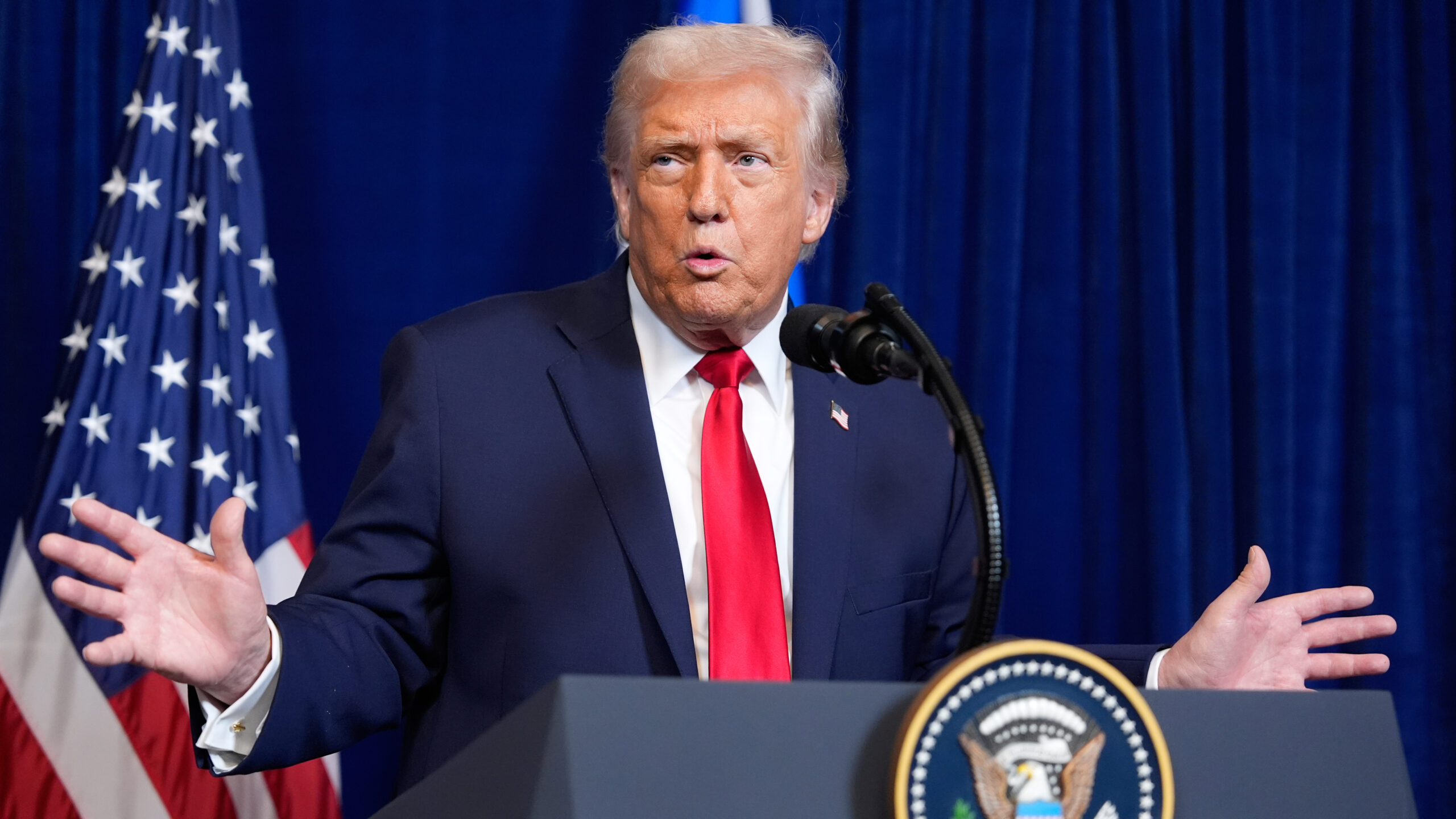
President Donald Trump speaks during a news conference with Israel's Prime Minister Benjamin Netanyahu at Mar-a-Lago, Monday, Dec. 29, 2025, in Palm Beach, Fla. (AP Photo/Alex Brandon)
WASHINGTON (AP) — President Donald Trump issued the first vetoes of his second term on Tuesday, rejecting two low-profile bipartisan bills, a move that had the effect of punishing backers who had opposed the president’s positions on other issues.
Trump vetoed drinking water pipeline legislation from Republican Rep. Lauren Boebert of Colorado, a longtime ally who broke with the president in November to release files on convicted sex offender Jeffrey Epstein. He also vetoed legislation that would have given the Miccosukee Tribe of Indians of Florida more control of some of its tribal lands. The tribe was among groups suing the administration over an immigration detention center in the Everglades known as ” Alligator Alcatraz.”
Both bills had bipartisan support and had been noncontroversial until the White House announced Trump’s vetoes Tuesday night.
Trump appeared to acknowledge the tribe’s opposition to the detention facility in a letter to Congress explaining his veto. “The Miccosukee Tribe has actively sought to obstruct reasonable immigration policies that the American people decisively voted for when I was elected,” Trump wrote.
Trump did not allude to Boebert in his veto of her legislation, but raised concerns about the cost of the water pipeline at the heart of that bill.
Boebert, one of four House Republicans who sided with House Democrats early on to force the release of the Epstein files, shared a statement on social media suggesting that the veto may have been “political retaliation.”
“I sincerely hope this veto has nothing to do with political retaliation for calling out corruption and demanding accountability. Americans deserve leadership that puts people over politics,” her statement said. Boebert added in another post: “This isn’t over.”
The Florida legislation had been sponsored by Republican Rep. Carlos Gimenez, whom Trump has endorsed. Gimenez and the Miccosukee Tribe were not immediately available for comment on Wednesday.
When asked whether the vetoes were punishment, the White House did not answer and instead referred to Trump’s statements explaining the vetoes.
Congress can override the vetoes by a vote of two-thirds of the members of the House and the Senate, but it’s unclear if there’s enough support in the Republican-controlled chambers to do so, especially heading into a midterm election year where many of them will be on the ballot and many GOP members will count on Trump’s backing.
Boebert’s legislation, the “Finish the Arkansas Valley Conduit Act,” aimed to improve access to clean drinking water in eastern Colorado.
While the congresswoman has long been a staunch supporter of Trump, she found herself at odds with the president with her support this year for legislation that required the Justice Department to release files related to Epstein.
Trump fought the proposal before reversing in the face of growing Republican support for releasing the files. Members of his administration even met with Boebert in the White House Situation Room to discuss the matter, though she didn’t change her mind.
Republican Rep. Jeff Hurd of Colorado, who co-sponsored the legislation, said he was “deeply disappointed” by Trump’s veto.
“This was a bipartisan, unanimous bill passed by Congress to uphold a long-standing federal commitment to southeastern Colorado,” Hurd said in a statement.
He said the legislation did not authorize any new construction spending or expand the federal government’s original commitment to the pipeline project, but adjusted the terms of repaying its costs.
___
Kinnard reported from Chapin, South Carolina.