
Wolves killed for human safety
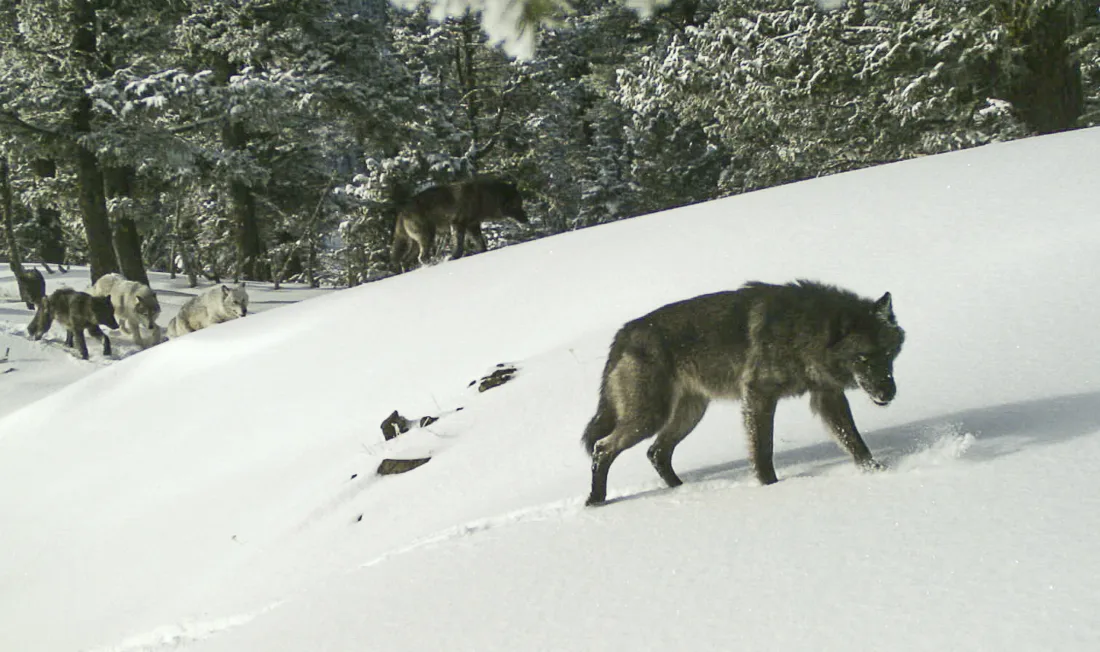
This Feb. 1, 2017 photo provided by the Oregon Department of Fish and Wildlife shows the Western gray wolf Snake River pack seen by a remote camera in the Hells Canyon National Recreation Area. Wolves don't usually attack humans, but after some alarming behaviors seen in northern Wisconsin over the last year, nine grey wolves there have been euthanized. (ODFW via AP)
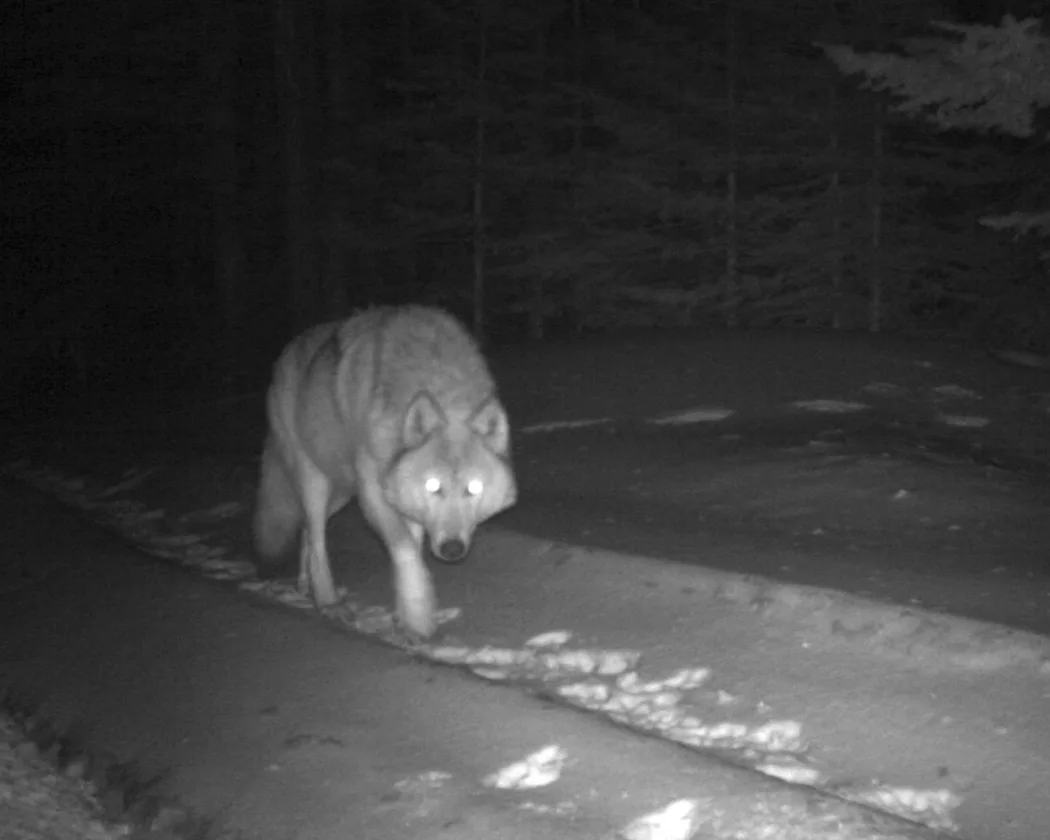
In this Jan. 21, 2017, remote camera image, released by the Oregon Department of Fish and Wildlife, shows a wolf from the Walla Walla Pack in northern Umatilla County, Oregon. Though still on the Endangered Species list in the lower 48 states, gray wolves in Wisconsin were just executed because of threats posed to humans. (Oregon Department of Fish and Wildlife via AP)
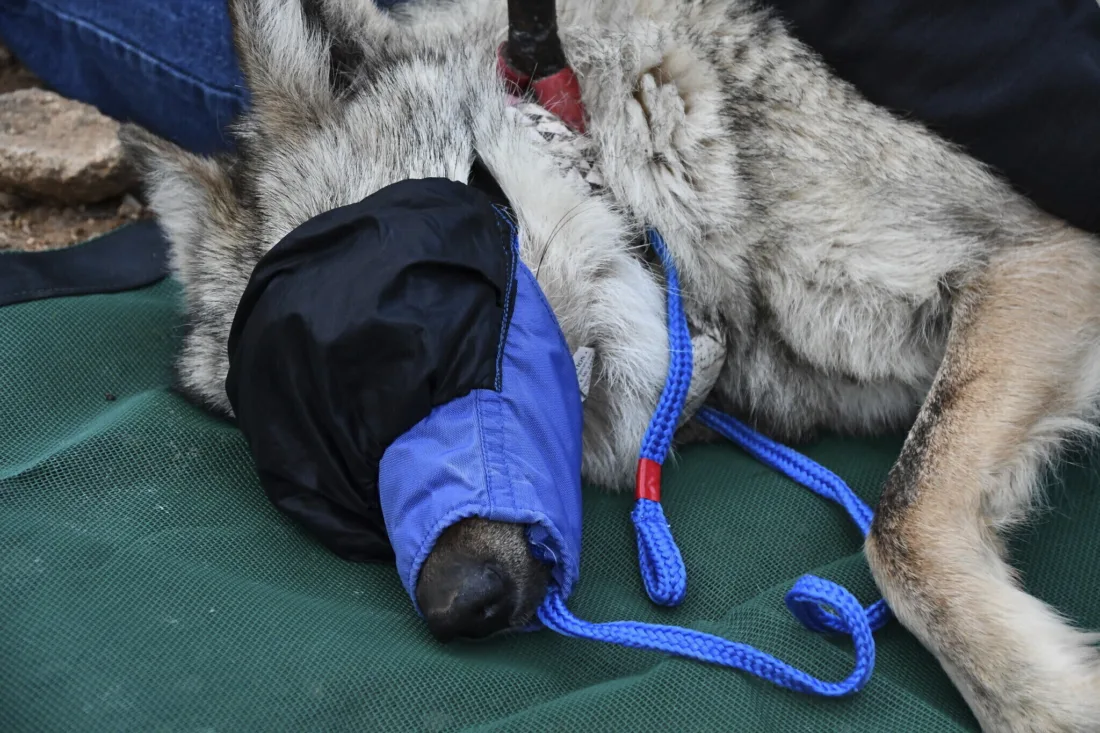
This June 7, 2023, image provided by the U.S. Fish and Wildlife Service shows a female wolf during a health check before being released into the wild in southeastern Arizona. Nicknamed Asha, this wolf Mexican gray wolf was to be held in captivity with a potential mate through another breeding season in hopes of aiding the recovery of the species, the U.S. Fish and Wildlife Service said Thursday, July 25, 2024. (Aislinn Maestas/U.S. Fish and Wildlife Service via AP, File)
This Feb. 1, 2017 photo provided by the Oregon Department of Fish and Wildlife shows the Western gray wolf Snake River pack seen by a remote camera in the Hells Canyon National Recreation Area. Wolves don't usually attack humans, but after some alarming behaviors seen in northern Wisconsin over the last year, nine grey wolves there have been euthanized. (ODFW via AP)
In this Jan. 21, 2017, remote camera image, released by the Oregon Department of Fish and Wildlife, shows a wolf from the Walla Walla Pack in northern Umatilla County, Oregon. Though still on the Endangered Species list in the lower 48 states, gray wolves in Wisconsin were just executed because of threats posed to humans. (Oregon Department of Fish and Wildlife via AP)
This June 7, 2023, image provided by the U.S. Fish and Wildlife Service shows a female wolf during a health check before being released into the wild in southeastern Arizona. Nicknamed Asha, this wolf Mexican gray wolf was to be held in captivity with a potential mate through another breeding season in hopes of aiding the recovery of the species, the U.S. Fish and Wildlife Service said Thursday, July 25, 2024. (Aislinn Maestas/U.S. Fish and Wildlife Service via AP, File)
Trending
WISCONSIN -- Nine wolves were recently “trapped and humanely euthanized” by USDA Wildlife Services in northern Wisconsin as a last resort following repeated threats to human safety, the Wisconsin Department of Natural Resources (WDNR) reported.
In rural northern Price County, “verified threats to human health and safety” caused by wolves were first reported in July 2025 and continued through August 2026.
“Working with USDA Wildlife Services professionals, the DNR recommended numerous non-lethal measures including auditory harassment, hazing, increased lighting, removal of potential attractants, and increased human activity, all of which were heeded by the local residents,” a WDNR spokesperson shared with the Press. “Unfortunately, these did not resolve the issue. Reports demonstrated a pattern of behavioral escalation, with the wolves showing less response to hazing and more acclimation to human presence.”
When initial actions did not deter the wolves, the DNR made the decision to pursue fatal measures.
“Lethal removal actions were taken in late August (and) early September 2026 under authorities conveyed to the DNR for wolf management activities through the Endangered Species Act section 6 cooperative agreement between the Wisconsin DNR and the U.S. Fish and Wildlife Service. The DNR consulted with the U.S. Fish and Wildlife Service throughout the process,” the WDNR spokesperson wrote.
The WDNR is now reportedly working with the US Fish and Wildlife Service “to respectfully transfer the remains” of the wolves killed to the Great Lakes Indian Fish and Wildlife Commission (GLIFWC), an organization made up of 11 Ojibwe tribes. The transfer is so that “the wolves may be appropriately and respectfully handled consistent with cultural beliefs,” the WDNR said.
The executions were the first official wolf-killings in Wisconisin by authorities since the animals were given Endangered Species Act protections in 2022. Though the act remains in effect, lethal removal can be authorized in extreme cases. The nature of the Price County incident, verified as recurring after other steps had failed, checked the box to allow for such a measure.
“While removal of these wolves will have no lasting negative biological impact on the wolf population in the area, the DNR acknowledges the sensitivity of these actions. Such decisions are not made lightly. The DNR also recognizes the profound cultural and spiritual significance for the Ojibwe and other tribes,” said the spokesperson for the WDNR.