
Suggestions to stem the spread of invasive species
Invasive species have become such a significant problem that it’s likely the average person can name one with little difficulty, not just casually but in close proximity to where they live.
Glossy buckthorn. Eurasian watermilfoil. Wild parsnip. Garlic mustard. Zebra and now quagga mussels. Starlings. English sparrows.
That proliferation doesn’t mean invasive species can’t — or shouldn’t — be battled to stop them from becoming more established in the region.
This is National Invasive Species Awareness Week, an event guided by the North American Invasive Species Management Association, according to the Wisconsin Department of Natural Resources.
The week is dedicated to raising awareness about invasive species, the threats they pose and the actions that can be taken to prevent their spread.
“The negative effects of invasive species include those on sport and commercial fishing, forestry and agriculture, and on users of untreated water such as power companies and municipal water plants,” Karen Hyun, DNR secretary, said in a news release. “These expenses are passed on to consumers through higher prices for everything from lumber to fish to utilities.”
The term “invasive” describes a wide range of nonnative organisms – introduced insects, plants and fungi – that spread and reproduce rapidly, taking advantage of the lack of natural checks and balances, according to the Wisconsin DNR.
Invasive species can displace and outcompete native species, causing major disturbances to habitat and ecosystem functionality.
“In Wisconsin forests, invasive shrubs such as nonnative buckthorns and honeysuckles prevent the regeneration of young native trees,” Hyun said. “This affects the quality of our forests and parks, disrupts natural plant and wildlife habitats and creates long-term impacts on our $28-billion-per-year forestry industry.”
The good news is the public can help by taking steps toward basic care to greatly reduce the risk of spreading invasive species to the places that they love, according to the DNR.
Among the many ways all Wisconsinites can avoid the spread of invasives —
— Clean hiking boots, waders, boats and trailers, off-road vehicles and other gear in between outings.
— Volunteer to help remove invasive species from public lands and natural areas.
— Buy firewood where it will be burned. The use of certified or locally obtained firewood is required by Wisconsin statute, and all state-owned properties that offer camping areas sell firewood on-site.
— Take extra care when traveling, gardening or moving plant material. Buy plants from a reputable source and plant native species to support your local ecosystem. Avoid using invasive plant species at all costs.
— Buy forage, hay, gravel and mulch that is certified as “weed-free.”
— Clean, drain and dry all watercraft, trailers and equipment when boating or fishing. Comply with watercraft inspection and decontamination requirements.
— Don’t dump aquariums into waterways.
— Clean fishing equipment and don’t dump live bait.
The DNR’s Invasive Species webpage, https://dnr.wisconsin.gov/topic/Invasives, offers plenty of information on what invasive species are and why it’s important to control them.
The North American Invasive Species Management Association, or NAISMA, webpage at https://naisma.org/ offers information on National Invasive Species Awareness Week and a full schedule of events, including webinars, policy discussions, campaigns and other opportunities to take action.
It’s worth learning how to help stem the invasion.
Editorial
Suggestions to stem the spread of invasive species
Invasive species have become such a significant problem that it’s likely the average person can name one with ...
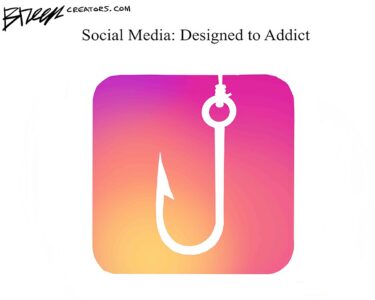
Editorial cartoon for Feb. 24, 2026
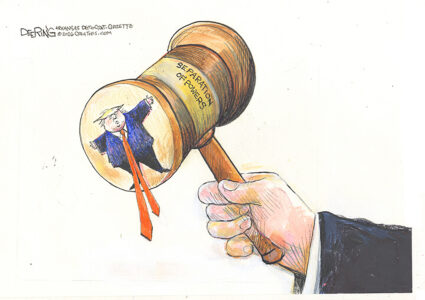
Editorial cartoon for Feb. 23, 2026
GOP in UP at each other’s throats over endorsement
Wow. That’s what a great many Upper Peninsula residents likely said early last week when a festering ...

Editorial cartoon for Feb. 21, 2026
Ways to reduce exposure to ‘forever chemicals’
It seems like every week brings some new report about the dangers of per- and polyfluoroalkyl substances — better ...