MSP offers tips to deal with dangerous cold
A powerful arctic cold front is forecasted to move across the region, ushering in frigid temperatures and high winds with dangerous wind chills.
The Michigan State Police, Emergency Management and Homeland Security Division is urging residents and visitors to take precautions now to stay safe.
“As Michiganders, we know our winters can include extreme weather, and we are about to face the toughest conditions of the season so far,” Gov. Gretchen Whitmer said in a news release. “… I encourage every Michigander to prepare, check on your neighbors and loved ones, and stay safe.”
According to The National Weather Service, from Thursday night to Sunday, air temperatures across the state will struggle to make it to zero degrees Fahrenheit during the day, while temperatures at night are expected to plunge well below zero.
Gusty winds could send wind chills across the Lower Peninsula down to a range of 15 to 25 degrees below zero early Friday morning through Saturday.
Across the Upper Peninsula, wind chills are expected to dip as low as minus 25 to minus 45 degrees. Lake-effect snow showers off Lake Superior and Lake Michigan are expected to reduce visibility and create hazardous travel conditions. These extreme conditions significantly increase the risk of frostbite and hypothermia within minutes and can lead to hazardous driving conditions.
“We encourage everyone to take this forecast seriously,” said Col. James F. Grady II, state director of Emergency Management and director of the Michigan State Police. “Using the resources available on the MI Ready website, now is the time to prepare as extreme cold can become dangerous very quickly.”
To stay safe during this extreme cold, MSP/EMHSD recommends —
— Limit time outdoors: Those who must go outside should wear several layers of warm clothing and watch for signs of frostbite or hypothermia. Frostbite symptoms include numbness, loss of feeling and pale or waxy skin, especially on the face, fingers and toes. Hypothermia symptoms include shivering, exhaustion, confusion, slurred speech or drowsiness.
— Prevent carbon monoxide poisoning: Use generators and grills only outdoors and away from windows. Never use a gas stovetop or oven to heat the home.
— Avoid overexertion: Shoveling snow can put extra strain on the heart, so take it easy and avoid sudden bursts of activity. Just breathing in cold air can trigger constriction of blood vessels and lower the threshold for cardiovascular events, experts warn.
— Check on others: Older adults, young children and pets are especially vulnerable to extreme cold and should be checked on regularly. Keep pets indoors.
— Prepare for travel emergencies: Those who must drive should ensure their gas tank is full and the vehicle stocked with an emergency kit, including warm clothing, blankets, gloves, hats and a phone charger. If you become stranded, stay with your vehicle and wait for help rather than attempting to walk in the cold.
For more information on how to prepare before, during and after an emergency or disaster, go to www.michigan.gov/miready and follow MSP/EMHSD on X and Facebook.
Editorial
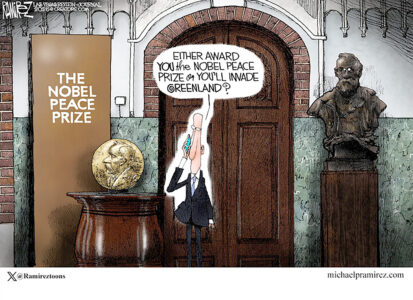
Editorial cartoon for Jan. 23, 2026
MSP offers tips to deal with dangerous cold
A powerful arctic cold front is forecasted to move across the region, ushering in frigid temperatures and high ...

Editorial cartoon for Jan. 22, 2026
Obstructing ICE not a crime that warrants military intervention
In better times with better political leaders, the tragic shooting of Renee Good in Minneapolis would have caused ...
Snowmobile safety always a good idea
The amount of snow the region has received this winter has certainly been well received by those who enjoy snow ...