
Opioid grants issued, limit raised in Delta
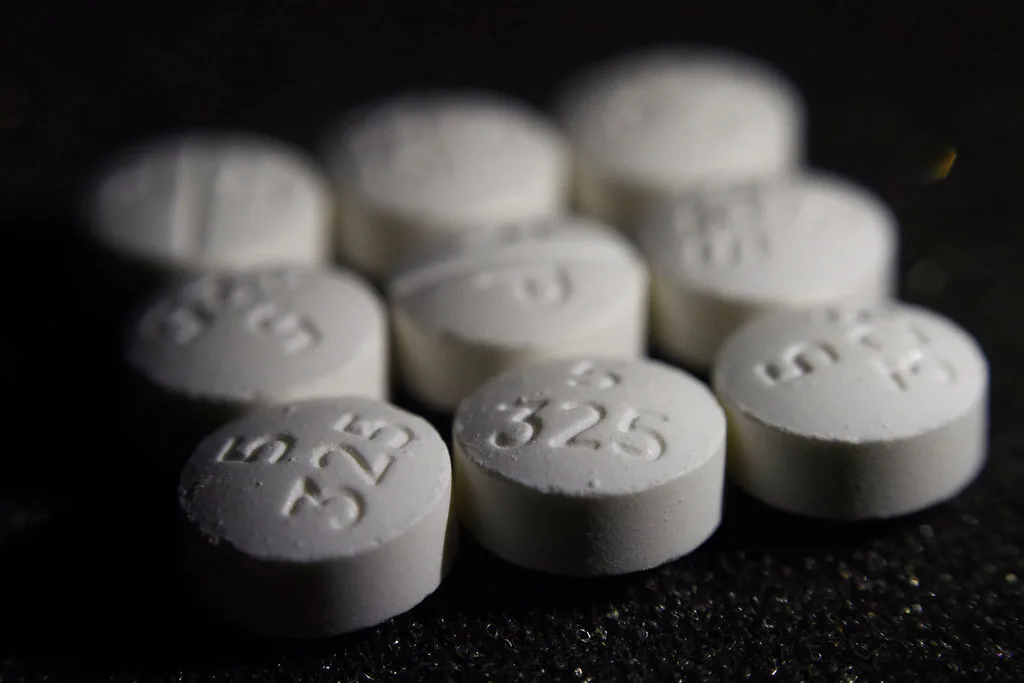
An arrangement of pills of the opioid oxycodone-acetaminophen are shown. The United States is working on remediating addictions and deaths fueled by over-prescription and misuse of such drugs. (AP Photo/Patrick Sison)
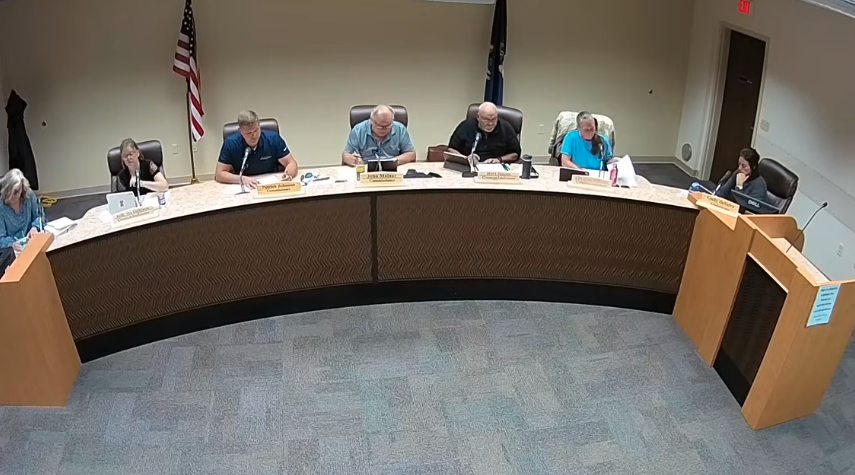
At the Oct. 6 meeting of the Delta County Board of Commissioners, nine grants recommended by the Opioid Task Force were approved. The total amounted to over $197,000. (Screenshot)
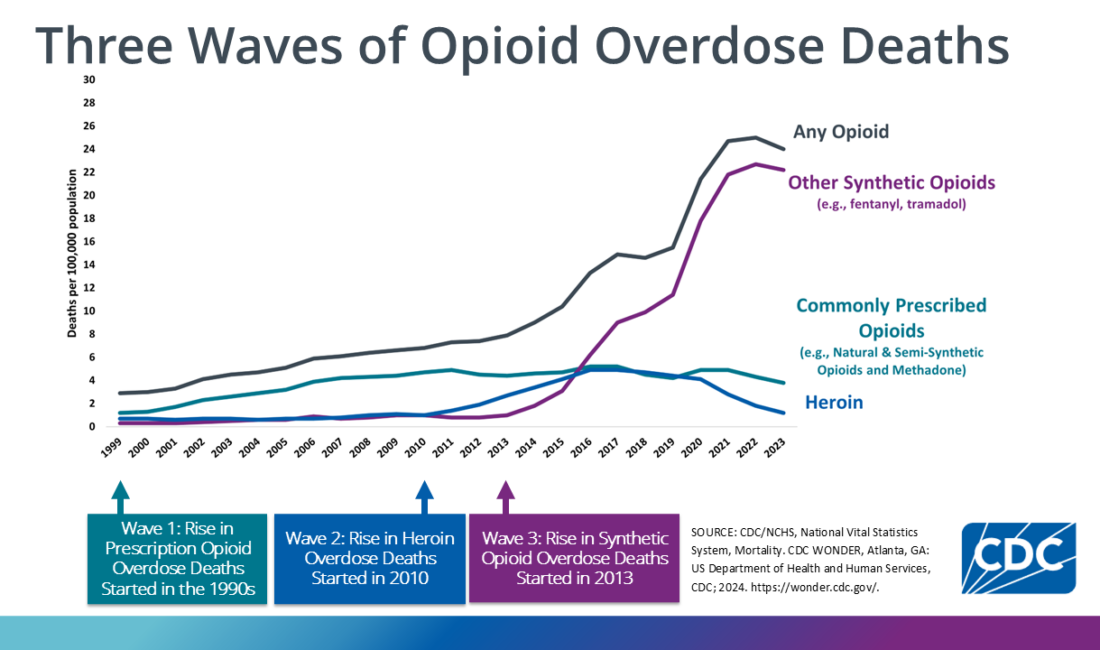
The Centers for Disease Control (CDC) views the nation's opioid crisis in three "waves," attributed to different causes, over the last 30 years. (Courtesy graph)
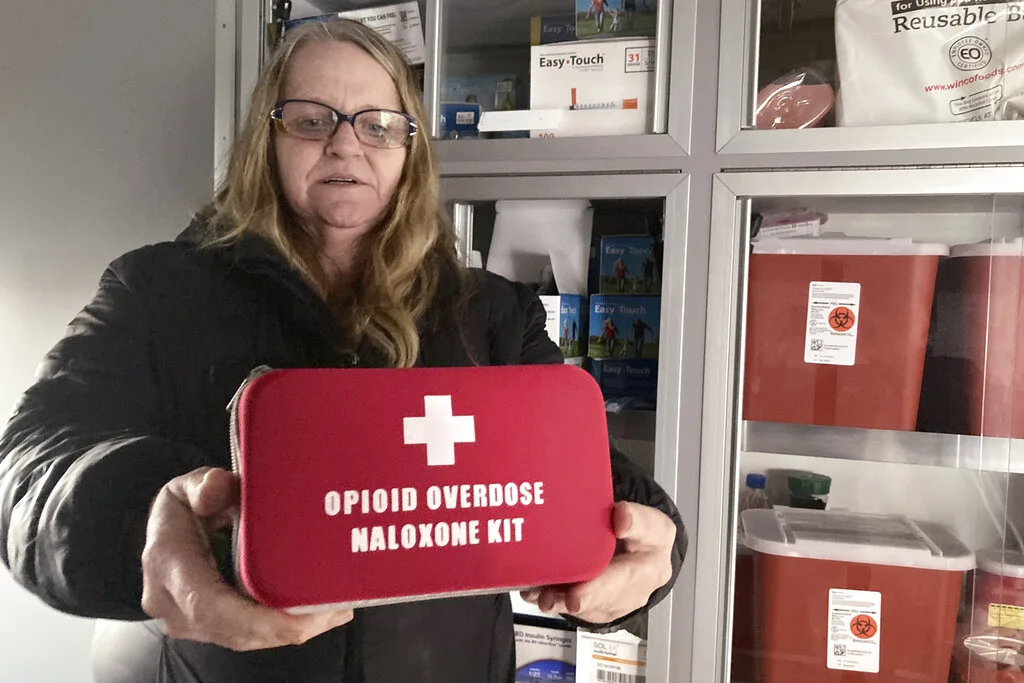
At Provoking Hope, an addiction recovery center in Oregon, Debra Cross displays an emergency kit used to treat opioid overdose as she stands inside an ambulance converted into a mobile needle-exchange unit on Dec. 9, 2021. Around the country, additional services meant to help people struggling with addiction are being funded with money from drug manufacturers, marketers and distributors. (AP Photo/Andrew Selsky, File)
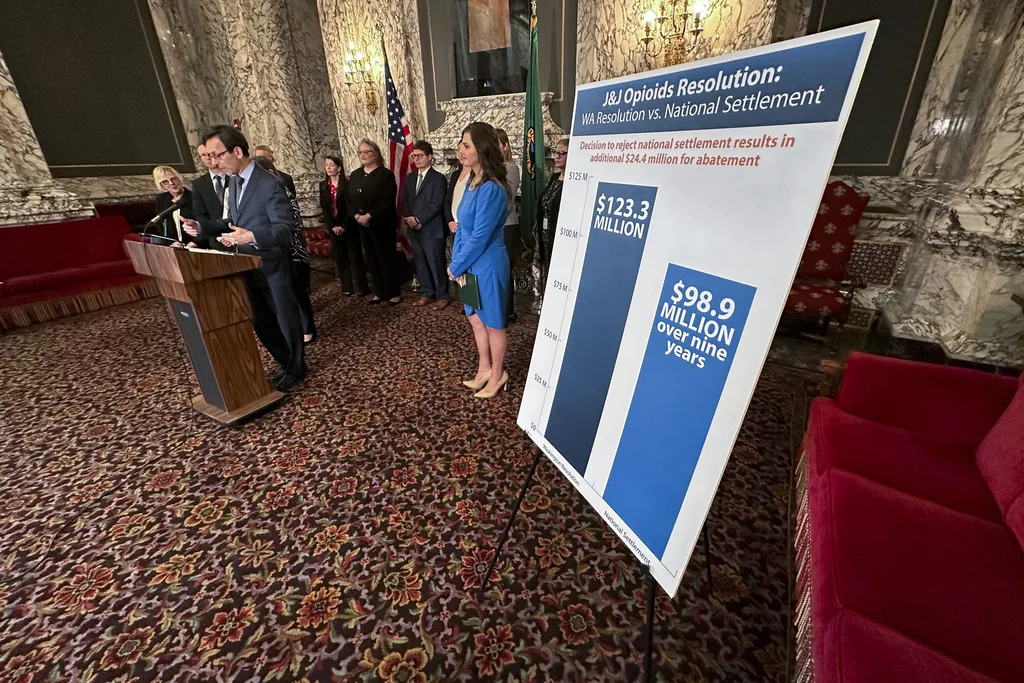
Washington Attorney General Bob Ferguson announces a $149.5 million settlement with drugmaker Johnson & Johnson, more than four years after the state sued the company over its role fueling the opioid addiction crisis, in Olympia, Wash., Jan. 24, 2024. (AP Photo/Manuel Valdes, File)
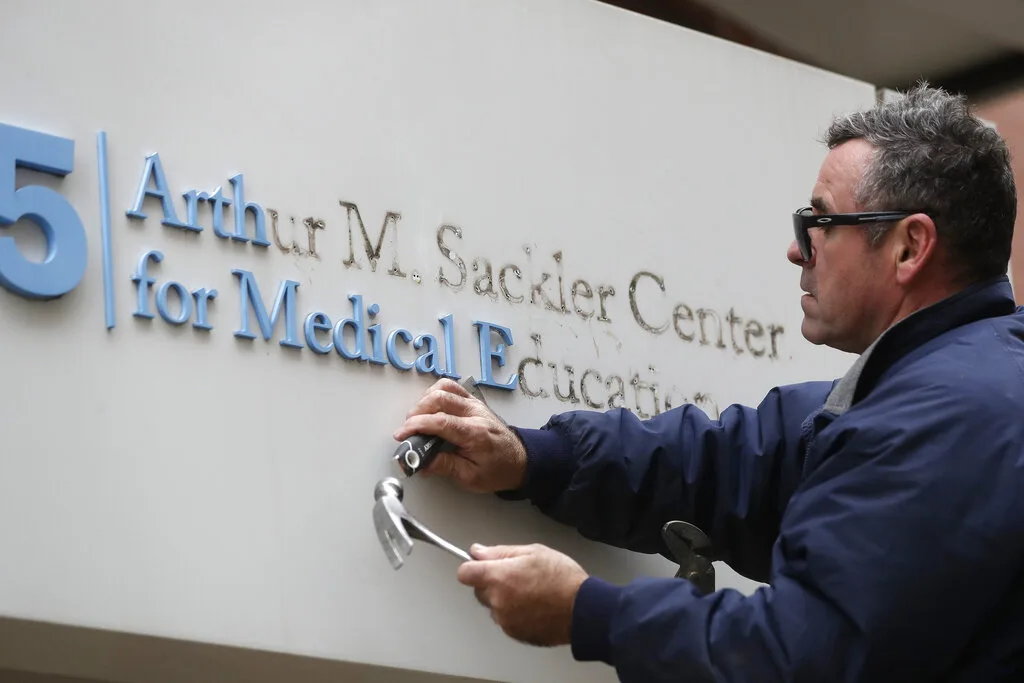
In this Thursday, Dec. 5, 2019 file photo, Worker Gabe Ryan removes a sign that includes the name Arthur M. Sackler at an entrance to Tufts School of Medicine, Thursday, Dec. 5, 2019, in Boston. The end of the Purdue Pharma bankruptcy case has left a bitter taste for those who wanted to see more accountability for the Sackler family. They will pay more than $4 billion under the settlement but also will escape any future liability over the nation’s opioid crisis. The question at the heart of the upcoming appeals is whether it’s appropriate for a wealthy family that did not itself file for bankruptcy to get such a broad protection given its role in a crisis that continues take a deadly toll across America. (AP Photo/Steven Senne, File)
An arrangement of pills of the opioid oxycodone-acetaminophen are shown. The United States is working on remediating addictions and deaths fueled by over-prescription and misuse of such drugs. (AP Photo/Patrick Sison)
At the Oct. 6 meeting of the Delta County Board of Commissioners, nine grants recommended by the Opioid Task Force were approved. The total amounted to over $197,000. (Screenshot)
The Centers for Disease Control (CDC) views the nation's opioid crisis in three "waves," attributed to different causes, over the last 30 years. (Courtesy graph)
At Provoking Hope, an addiction recovery center in Oregon, Debra Cross displays an emergency kit used to treat opioid overdose as she stands inside an ambulance converted into a mobile needle-exchange unit on Dec. 9, 2021. Around the country, additional services meant to help people struggling with addiction are being funded with money from drug manufacturers, marketers and distributors. (AP Photo/Andrew Selsky, File)
Washington Attorney General Bob Ferguson announces a $149.5 million settlement with drugmaker Johnson & Johnson, more than four years after the state sued the company over its role fueling the opioid addiction crisis, in Olympia, Wash., Jan. 24, 2024. (AP Photo/Manuel Valdes, File)
In this Thursday, Dec. 5, 2019 file photo, Worker Gabe Ryan removes a sign that includes the name Arthur M. Sackler at an entrance to Tufts School of Medicine, Thursday, Dec. 5, 2019, in Boston. The end of the Purdue Pharma bankruptcy case has left a bitter taste for those who wanted to see more accountability for the Sackler family. They will pay more than $4 billion under the settlement but also will escape any future liability over the nation’s opioid crisis. The question at the heart of the upcoming appeals is whether it’s appropriate for a wealthy family that did not itself file for bankruptcy to get such a broad protection given its role in a crisis that continues take a deadly toll across America. (AP Photo/Steven Senne, File)
Trending
DELTA COUNTY -- The most recent batch of opioid settlement funds -- from companies considered responsible for fueling a drug epidemic -- was approved for disbursement in Delta County to help remediate addiction.
Upon recommendation by the Delta County Opioid Task Force, grant awardees approved by the Delta County Board of Commissioners last month were: the Delta County Regional Child Advocacy Center, Catholic Social Services, 94th District Court Drug Court, Great Lakes Recovery Center, Big Brothers Big Sisters, Face Addiction Now, Delta County Communities That Care and the Gladstone Alano Club.
Around the United States, state and local governments are being issued funds to help combat the opioid crisis. The money -- over $50 billion total, to be issued over about 20 years -- comes from some of the largest legal settlements in history.
Beginning in the mid 2000s and into the 2020s, thousands of entities sued drug companies, distributors and other associates for getting people hooked on painkillers. Mass dependency on drugs like OxyContin, Vicodin, Percocet and morphine -- which led some to seek street drugs like heroin and fentanyl -- was a direct result of opioids often being marketed, over-prescribed and abused, the suits claimed.
Certain pharmaceutical companies “put opioid profits ahead of people and corrupted the sacred doctor-patient relationship,” said Christina Nolan, former U.S. Attorney for the District of Vermont.
From 1999 to 2023, over 800,000 Americans died of opioid overdoses, and nearly 308,000 of those involved prescription opioids, according to the Centers for Disease Control (CDC).
Following the slew of lawsuits, several companies chose to settle rather than go to court. Among those who were ordered to pay out were Purdue Pharma, Johnson & Johnson, Walmart, Cardinal Health, Publicis Health and more.
In addition to lying to the Drug Enforcement Administration (DEA), Purdue also admitted to paying kickbacks to providers to encourage them to prescribe even more of its products, declared the U.S. Department of Justice in 2020.
“These aggressive marketing campaigns worked: they resulted in a dramatic rise in opioid prescriptions nationwide, which in turn caused a devastating rise in the prevalence of opioid abuse, addiction, and overdose deaths,” said New York Attorney General Letitia James.
Purdue pleaded guilty to multiple felonies, including conspiracy to defraud the United States. They were fined billions of dollars and reorganized.
As governments around the nation are awarded money that the drugmakers, wholesalers, pharmacy chains and consulting firms have been ordered to pay forward, new groups -- like the Delta County Opioid Taskforce -- have been formed to help direct distribution of the funds in their communities.
“In general, the relevant national opioid settlement agreements first allocate the settlement funds among settling states in proportion to an allocation percentage set forth in the agreement. A settling state, in turn, further allocates that amount among itself and settling subdivisions of that state,” reported Wen Shen in 2025 for the Library of Congress.
Delta County was awarded $1.6 million in opioid settlement funds in March 2023 and founded the Delta County Opioid Task Force in 2024.
The mission of the task force “is to address and combat the opioid crisis by implementing evidence-based strategies to prevent opioid abuse, expand access to effective treatment options, promote public awareness and education, and support individuals and communities affected by opioid addiction,” states the Delta County website. “We are committed to collaborating with healthcare professionals, government agencies, community organizations, and other stakeholders to develop comprehensive and compassionate solutions that prioritize the health and well-being of all individuals impacted by opioid misuse."
Large grants are administered biannually, with applications due Sept. 1 and March 1, and smaller ones may be reviewed at any time.
Recently, the task force agreed to lift a grant maximum that had previously been in place. Prior to Oct. 2, a spending limit of $100,000 per fiscal year had been the cap.
Revoking the limit “allowed the Task Force to recommend approval of each application that fit the spending qualifications,” wrote County Administrator Emily DeSalvo.
After removing that criterion, Delta County approved $197,031.77 for autumn 2026 round of opioid grants. The task force agreed on the recommendations on Oct. 2, and the board of commissioners approved the nine disbursements at its Oct. 6 meeting.
Th recent round of grants gives $30,000 to the Delta County Regional Child Advocacy Center; $30,000 to Catholic Social Services; $30,000 to the 94th District Court’s drug court; $30,000 Great Lakes Recovery Center; $29,831.77 to Big Brothers Big Sisters; $29,700 to Face Addiction Now; $13,000 to Delta County Communities That Care; a $3,000 mini-grant for Delta Alano Club and a mini-grant of $1,500 to Face Addiction Now.
One application from Meetopolis, an app that provides “mobile peer support mental health,” was denied because it is not a local agency that would guarantee services in Delta County.
Some decisions about grants from the opioid settlements have been contested. For example, in Dickinson County, one Iron Mountain resident complained that a body scanner for the correctional facility was an inappropriate use of funds, while the sheriff maintains that it “will significantly reducing the risks associated with contraband (including opioids) entering the facility.”
The ways settlement funds may be used are broad, and the authority for now lies with smaller government agencies -- like the county, without oversight from the state or federal government.
“Several governments used settlement dollars to purchase police patrol cars (and) technology to help officers hack into phones,” reported NPR. “Supporters say these tools are critical to crack down on drug trafficking, but research suggests law enforcement efforts don't prevent overdoses.”
The task force in Delta County seems to agree that some applications are overreaching; they denied one request for patrol car funding in a past grant round.
Common uses of the opioid settlement funds have been for the creation and expansions of rehabilitation centers and for harm reduction services like naloxone (Narcan).
In 2023, the number of opioid deaths in the U.S. dropped for the first time in five years, suggesting that efforts to reduce overdoses is working. But with still 200 deaths each day, that figure can get better.
Organizations focused on “areas of harm reduction, prevention, treatment, and recovery” may continue to apply for grants through the Delta County Opioid Task Force. To be eligible, applicants must be “registered non-profit organizations, local government agencies, community-based organizations, and tribal agencies operating in Delta County, Michigan,” the county declares.