
DNR eyes 60-mile U.P. rail line for trails
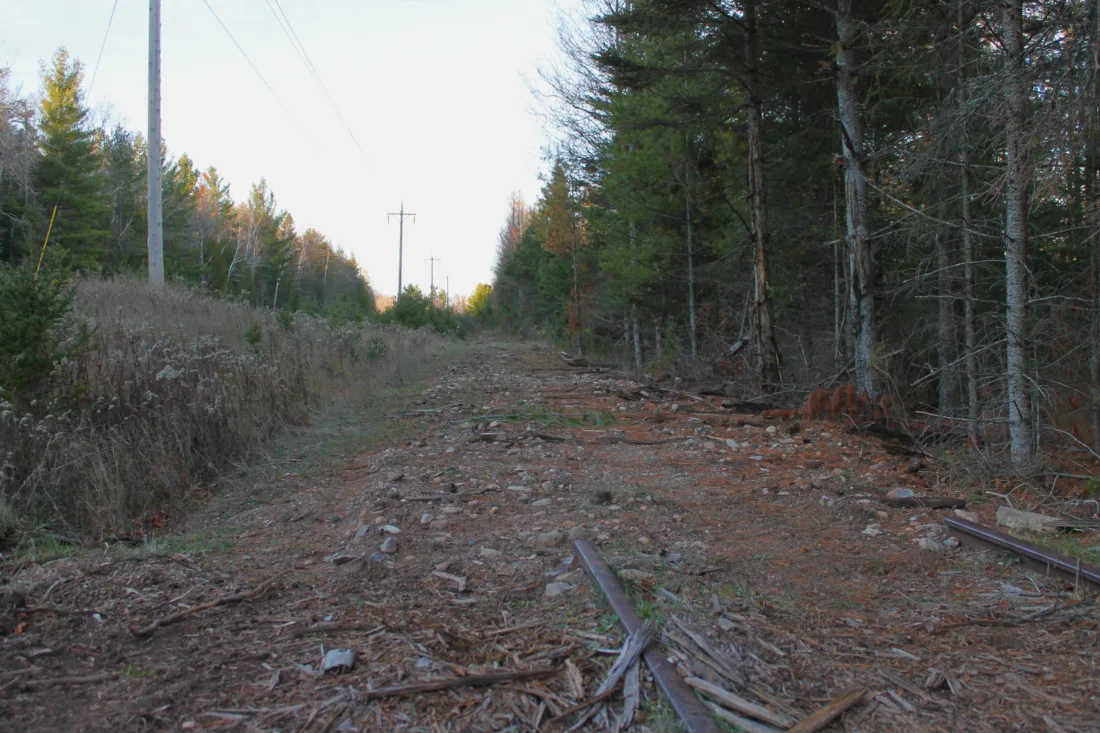
The Michigan Department of Natural Resources and the Escanaba & Lake Superior Railroad are in acquisition discussions for the Wells to Channing line, which consists of 60 miles of inactive rail line. This photo shows an area on County Road 426 in Cornell where the railroad was recently torn up and removed. (Sophie Vogelmann | Daily Press)
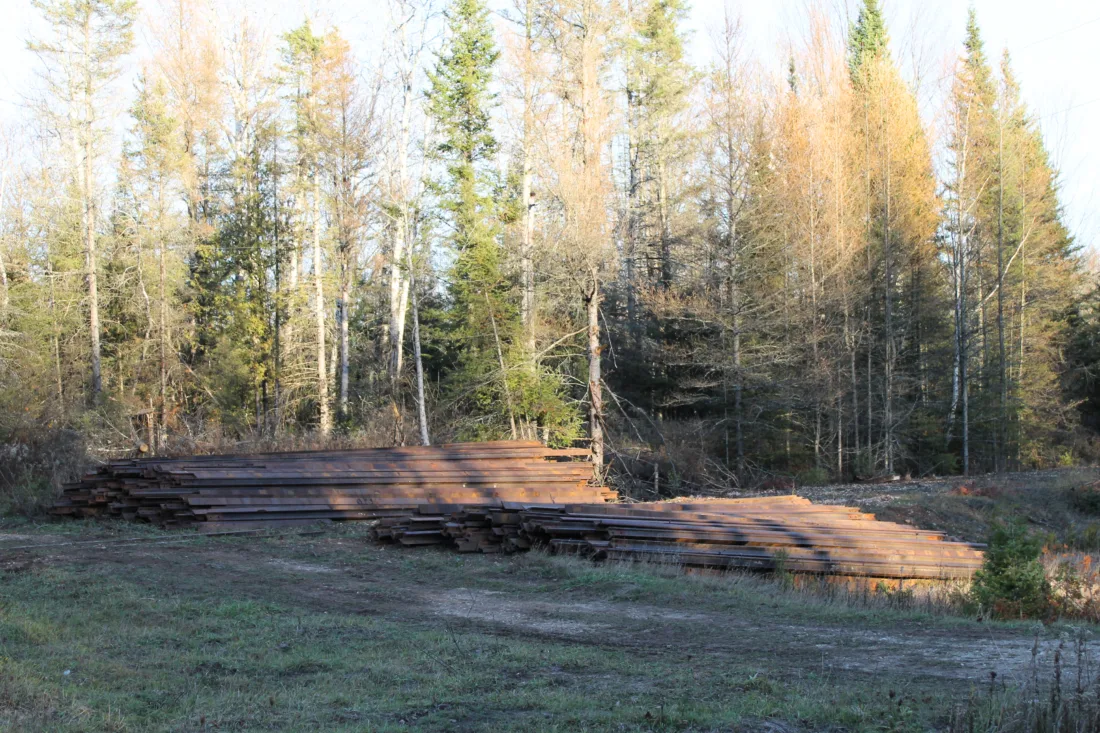
A large pile of railroad rails can be seen on County Road 426 in Cornell. (Sophie Vogelmann | Daily Press)
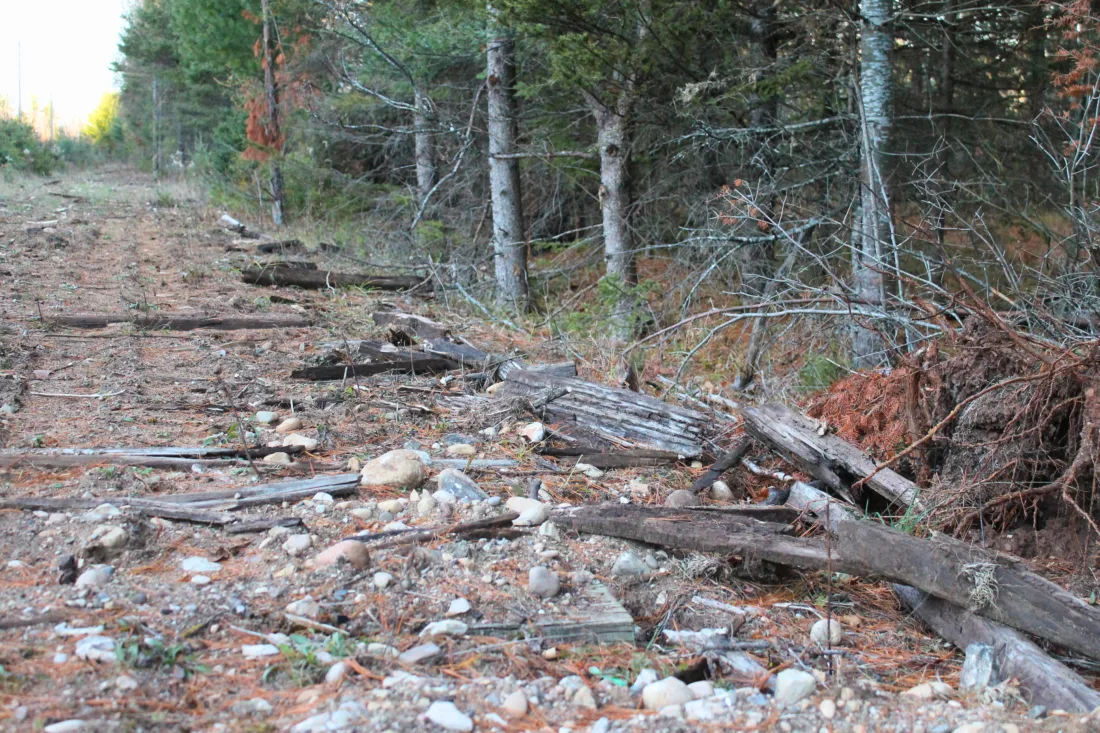
Leftover pieces of wood where the railroad used to be remain in Cornell. (Sophie Vogelmann | Daily Press)
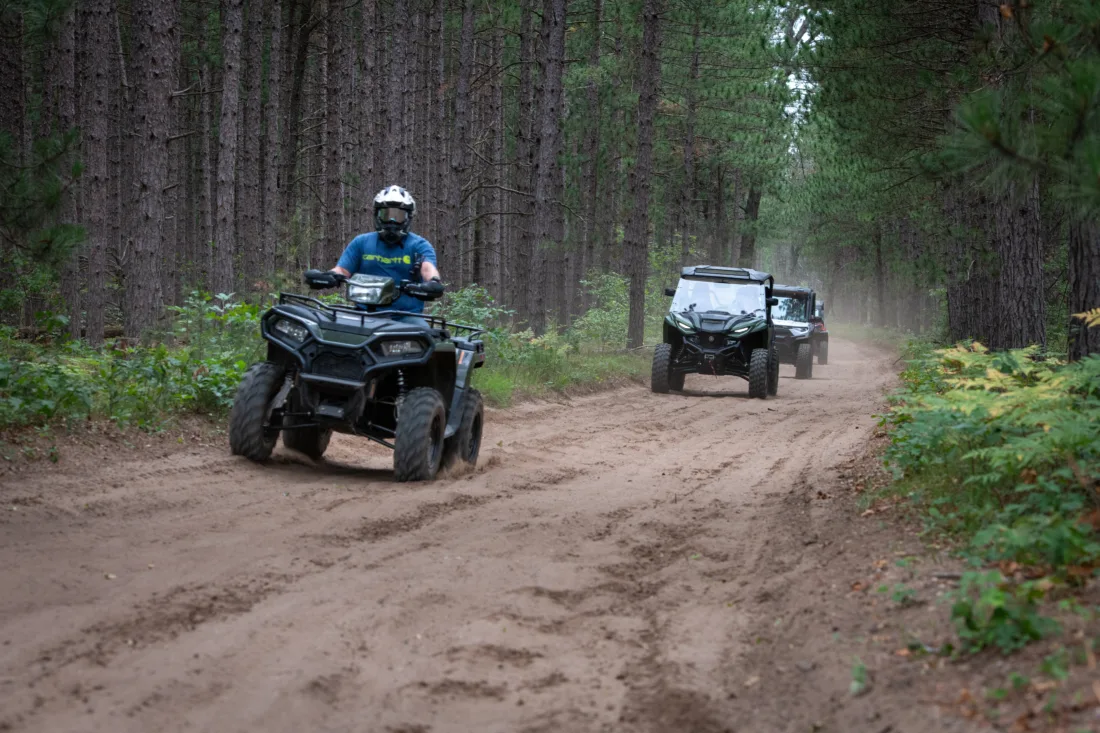
ORV photo shoot near Baldwin, Michigan in the Manistee National Forest (Photo courtesy of the Michigan Department of Natural Resources)

ORV photo shoot near Baldwin, Michigan in the Manistee National Forest (Photo courtesy of the Michigan Department of Natural Resources)
The Michigan Department of Natural Resources and the Escanaba & Lake Superior Railroad are in acquisition discussions for the Wells to Channing line, which consists of 60 miles of inactive rail line. This photo shows an area on County Road 426 in Cornell where the railroad was recently torn up and removed. (Sophie Vogelmann | Daily Press)
A large pile of railroad rails can be seen on County Road 426 in Cornell. (Sophie Vogelmann | Daily Press)
Leftover pieces of wood where the railroad used to be remain in Cornell. (Sophie Vogelmann | Daily Press)
ORV photo shoot near Baldwin, Michigan in the Manistee National Forest (Photo courtesy of the Michigan Department of Natural Resources)
ORV photo shoot near Baldwin, Michigan in the Manistee National Forest (Photo courtesy of the Michigan Department of Natural Resources)
Trending
ESCANABA -- The potential sale of inactive rail line owned by the Escanaba & Lake Superior (E&LS) Railroad could connect communities and trails across the region.
The Michigan Department of Natural Resources (MDNR) Parks and Recreation Division officials are reportedly in acquisition discussions with representatives of the E&LS Railroad for 60 miles of inactive rail line that the DNR would potentially use for furthering the region's recreational trail network.
"Both the DNR and E&LS are looking at cooperating on purchase/sale of the grade," said Ron Yesney, Upper Peninsula trails coordinator for the DNR. "Both parties are interested in preserving the integrity of the grade for future rail use."
According to a news release, the MDNR and railroad officials met on Sept. 25 to discuss all E&LS Railroad grades that are potentially up for sale or are in the process of having their rails pulled.
“The E&LS Railroad is pleased to be working with the Michigan DNR to discuss the acquisition of our Channing to Wells Line to further expand the Upper Peninsula’s recreational trail network,” said Tim Tennant, E&LS vice president and general manager.
Several railroads in the Upper Peninsula of Michigan have been abandoned. According to Tennant, the company’s 33-mile inactive rail line from Sidnaw to Rockland was also discussed at the Sept. 25 meeting, as it is in the process of being appraised.
E&LS, headquartered in Wells, is a privately owned shortline railroad company operating in the Northeastern Wisconsin and the Upper Peninsula of Michigan. The company was chartered in 1897 or 1898.
The Wells to Channing grade was reportedly the first grade the railroad purchased when it went into business, and at various times it facilitated passenger service, hauling timber and other materials between Escanaba and Channing in Delta and Dickinson counties, respectively.
"There was a very large and interesting series of logging rails that spurred off this grade and extended in many different directions," Yesney said.
If a deal is made, the Wells to Channing grade would be preserved for potential future rail use. Potential funding sources for the deal include the Michigan Natural Resources Trust Fund, Land Exchange Facilitation Funding and the DNR's Snowmobile Trail Easement Fund.
"There is general support for the acquisition with some concerns about infrastructure condition," Yesney said. "The reasons for support include grade preservation and the potential for future trail usage. The grade also fits well with concepts noted in the State Trails Plan."
While there is no current need for rail service along the line, that doesn’t mean it could never serve that purpose again.
"We’re very supportive of (the deal), because there’s no rail usage foreseen right now. I mean, you never say never. Something could come out of left field years from now that would promote having the line put back in, but basically, there's no customer base on the line, so it made sense to (sell)," Tennant added.
The deal between a railroad company and, in this case, a government agency is more commonly referred to as "railbanking," which was established in 1983 as an amendment to Section 8(d) of the National Trails System Act.
According to the Rails to Trails Conservancy, railbanking is a voluntary agreement between a railroad company and a trail sponsor -- such as a trail organization or government agency -- to use an out-of-service rail corridor as a trail until a railroad may need the corridor again for rail service.
To learn more about the DNR's extensive trails across Michigan, visit the DNR's "Michigan Trails" webpage.
------
Sophie Vogelmann can be reached at 906-786-2021 or svogelmann@dailypress.net.