
Great Lakes region records world’s worst air quality
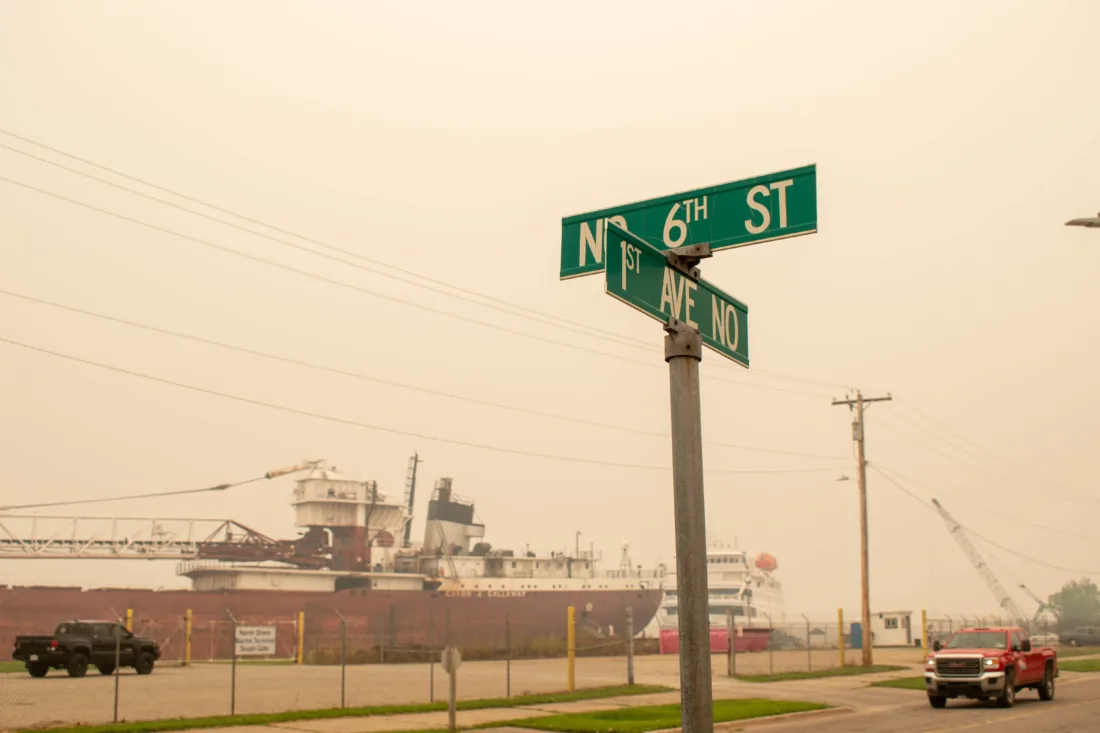
The street sign on the corner of North 6 Street and First Avenue North, behind the Daily Press building. (Photo by Liam Houston)

A view down Ludington Street taken at noon on July 16. (Photo by Liam Houston)

A lampost in Ludington park overlooking the water to the north. (Photo by Liam Houston)
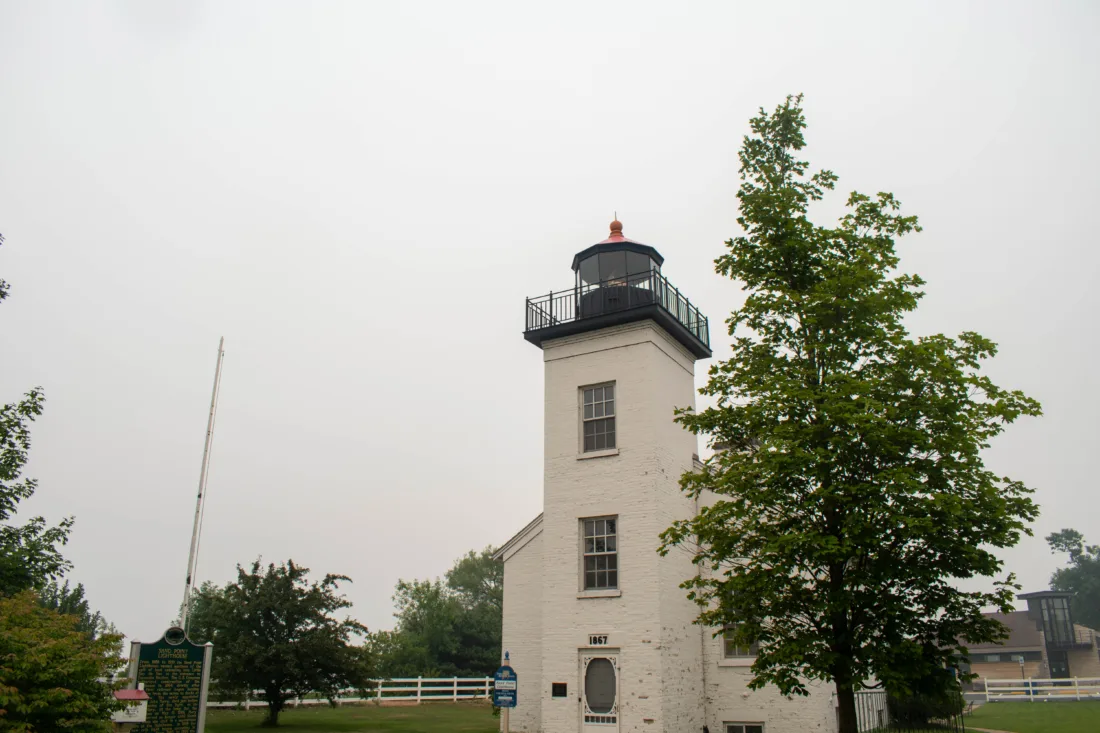
Sand Point Lighthouse amoungst the haze in the late afternoon. (Photo by Liam Houston)
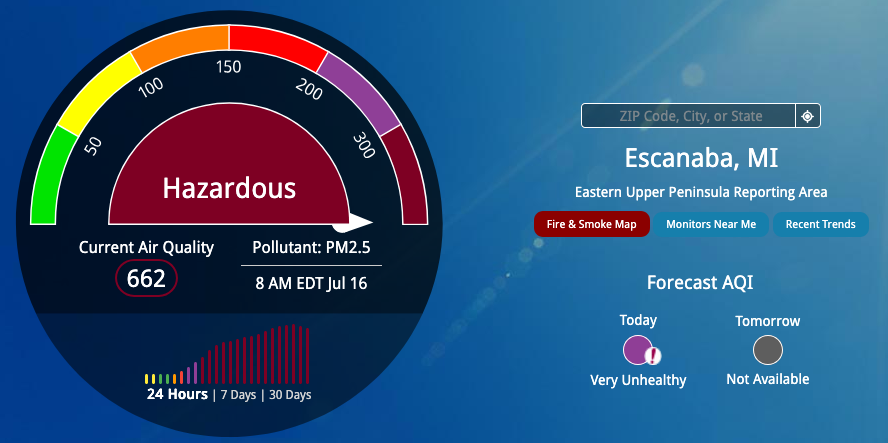
AirNow's air quality graphic for Escanaba at 8 a.m. Thursday. The air quality was the exact same in Gladstone. (Data courtesy of the Michigan Department of Environment, Great Lakes and Energy)
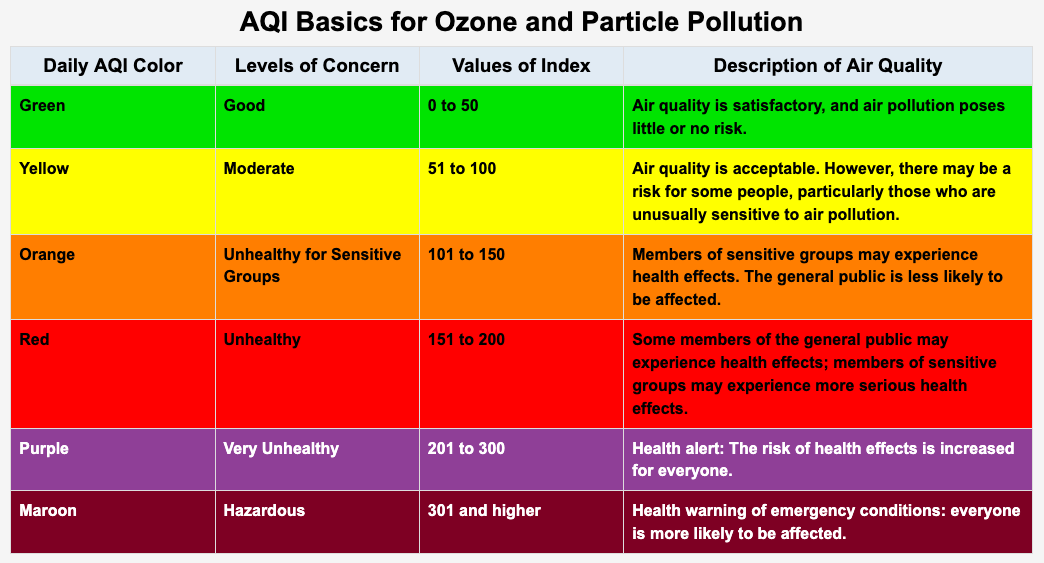
Air Quality Index scale (AQI index image courtesy of EGLE)
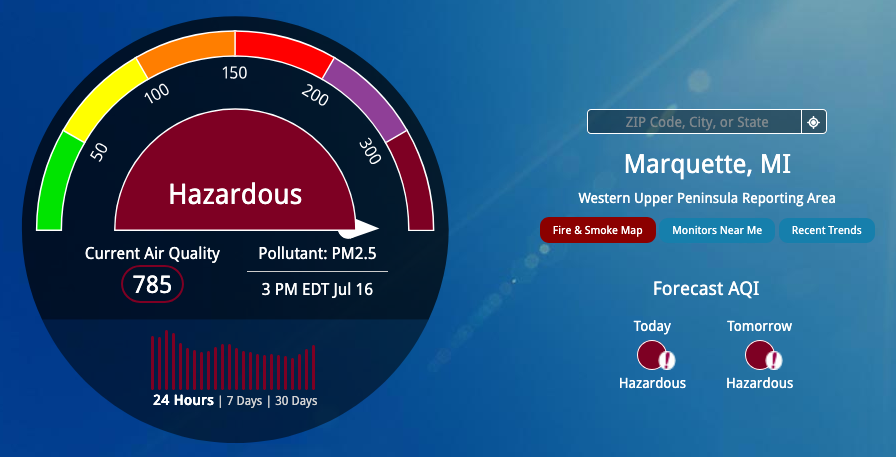
AirNow's air quality graphic for Marquette at 3 p.m. Thursday. (Data courtesy of the Michigan Department of Environment, Great Lakes and Energy)
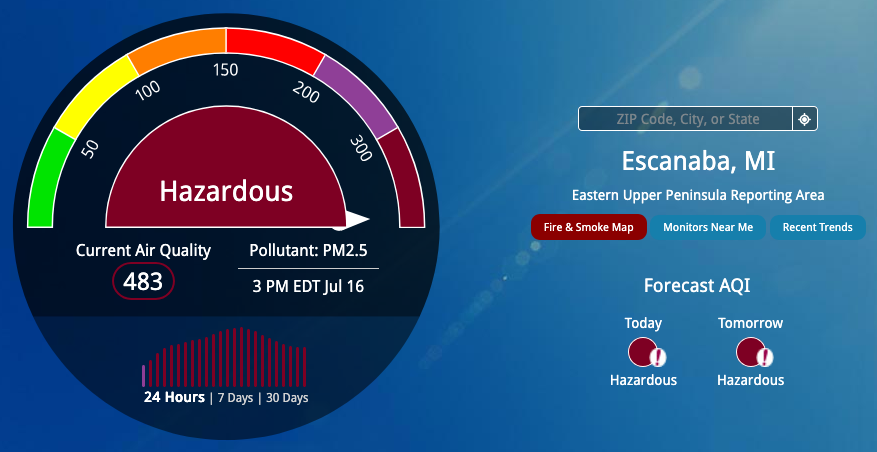
AirNow's air quality graphic for Escanaba at 3 p.m. Thursday. The air quality was the exact same in Gladstone. (Data courtesy of the Michigan Department of Environment, Great Lakes and Energy)
The street sign on the corner of North 6 Street and First Avenue North, behind the Daily Press building. (Photo by Liam Houston)
A view down Ludington Street taken at noon on July 16. (Photo by Liam Houston)
A lampost in Ludington park overlooking the water to the north. (Photo by Liam Houston)
Sand Point Lighthouse amoungst the haze in the late afternoon. (Photo by Liam Houston)
AirNow's air quality graphic for Escanaba at 8 a.m. Thursday. The air quality was the exact same in Gladstone. (Data courtesy of the Michigan Department of Environment, Great Lakes and Energy)
Air Quality Index scale (AQI index image courtesy of EGLE)
AirNow's air quality graphic for Marquette at 3 p.m. Thursday. (Data courtesy of the Michigan Department of Environment, Great Lakes and Energy)
AirNow's air quality graphic for Escanaba at 3 p.m. Thursday. The air quality was the exact same in Gladstone. (Data courtesy of the Michigan Department of Environment, Great Lakes and Energy)
Trending
ESCANABA -- Smoke from ongoing Canadian wildfires pushed Delta County's air quality to some of the worst levels in the world Thursday, with the Air Quality Index (AQI) reaching hazardous levels.
The Michigan Department of Environment, Great Lakes and Energy (EGLE) issued an air quality alert Thursday afternoon due to elevated levels of fine particulate matter (PM2.5), following the initial alert at midnight Tuesday.
The poor air quality was forecast to persist through Friday, with pollutants expected to be hazardous (AQI Maroon) in the Upper Peninsula to very unhealthy (AQI Purple) in the Lower Peninsula.
Thursday morning, Delta County's AQI measured 662, an extremely rare reading that signals a dangerous health emergency. By 3 p.m. Thursday, Delta County's AQI was 483, and Marquette’s AQI was a whopping 785.
The U.S. Environmental Protection Agency's AQI ranks air quality into health categories based on pollution levels. While the EPA's categories range from 0 to 300+, readings can climb well beyond 300 during extreme pollution events, with any value above 300 classified as hazardous.
AQI values at or below 100 are generally considered satisfactory. According to AirNow, an AQI rating in the hazardous category means everyone should avoid outdoor activity and reduce exposure.
In comparison, Detroit had an AQI of 518 Thursday morning, earning the No. 1 spot on the IQAir -- a Swiss air quality technology company -- ranking of the most polluted major cities in the world. By 4 p.m. Thursday, Minneapolis, Minnesota, took Detroit’s place in the No. 1 spot, with an AQI rating of 374. Chicago, Illinois, followed close behind in second place, with an AQI of 338.
IQAir's ranking does not account for AQI readings in the Upper Peninsula and Delta County, which were significantly higher than the AQI in Detroit and Minneapolis.
Toronto, Canada, went from ranking at No. 2 on the list Thursday morning to No. 6 by 3 p.m. Delhi, India, a city subject to high levels of pollution year-round, ranked No. 5 as of 3 p.m. Thursday.
Wildfires continue to burn across northwestern Ontario, Canada, and areas along the Ontario-Minnesota border. A lingering high-pressure system trapped smoke from dozens of fires in Canada, and winds from the northwest blew it into Michigan, according to the Associated Press.
All of Michigan and much of Minnesota were under a hazardous air quality alert Thursday. In the Chicago area, air quality ranged from very unhealthy to hazardous. Areas in Ohio ranged from moderate to hazardous, according to AirNow.
Thick smoke also reduced visibility for commuters from the Great Lakes to parts of the East Coast.
The last comparable air quality event occurred in June 2023, when smoke from Canadian wildfires drifted into Michigan and significantly affected air quality.
During that event, EGLE issued air quality alerts due to elevated levels of fine particulate matter. Air quality fluctuated between what is considered unhealthy for sensitive groups and unhealthy for everyone but did not reach the hazardous level.
To keep your home cool and filter indoor air, the EPA recommends using portable air cleaners and high-efficiency HVAC filters when compatible with a home's central air system.
Homeowners are also encouraged to consult a heating, ventilation and air conditioning (HVAC) technician to determine the most efficient filters for their system. A high-efficiency filter rated MERV 13 or higher should be used if the system can safely accommodate it.
The public can also create do-it-yourself (DIY) air cleaners, as detailed on the EPA's website.
Additional tips for those exposed to wildfire smoke include:
-- Stay informed about air quality conditions. Check the local Air Quality Index (AQI) on AirNow’s Fire and Smoke Map and follow updates from local air quality or fire officials.
-- Stay indoors or limit time outdoors if smoke is present. Avoid vigorous outdoor activities such as yard work or running.
-- Wear a NIOSH Approved® respirator, such as an N95 mask, to protect your lungs from smoke if outdoor activity is necessary when smoke levels are high.
Various EPA wildfire smoke and health factsheets are available through the EPA's website.
According to the EPA, most information about the health effects of wildfire smoke comes from studies examining short-term exposures, ranging from a day to a few days. The health effects associated with short-term wildfire smoke exposure build on decades of scientific evidence regarding short-term PM2.5 exposure.
Less is known about the health effects of longer-duration wildfire smoke exposure that varies within and across years. However, some evidence suggests that exposure to a single wildfire smoke event lasting in some cases up to a month can have future health consequences, including reduced lung function and an increased risk of respiratory infections.
Short-term wildfire smoke exposure can lead to:
-- Headaches
-- Eye irritation
-- Respiratory symptoms
-- Respiratory effects, such as bronchitis, reduced lung function, asthma exacerbation and aggravation of other lung diseases
-- Preterm births
-- Premature death
While smoke exposure is widely recognized for increasing the risk of breathing problems and other respiratory health issues, it can also affect cardiovascular health. According to the American Heart Association (AHA), exposure to smoke can increase the risk of heart disease.
"Several research studies have linked smoke exposure to an increased risk of sudden cardiac arrest and a higher volume of visits to local emergency rooms for other cardiovascular disease-related causes," the AHA said. "
A study published in the Journal of the AHA in 2020 found that exposure to heavy smoke during wildfires raised the risk of out-of-hospital cardiac arrests up to 70%.
The risk was elevated among both men and women, adults 35-64 years old and in communities with lower socioeconomic status, according to the AHA.
Previous findings from the same research group noted that wildfire smoke exposure was associated with increased rates of emergency room visits, not just for breathing trouble, but also ischemic heart disease, irregular heart rhythm, heart failure, pulmonary embolism and stroke.
In the study, ER visits reportedly increased 42% for heart attacks and 22% for ischemic heart disease within a day of exposure to dense wildfire smoke. The increase was most notable for adults age 65 and older, according to a study published in the Journal of the AHA in 2018.
According to the AHA, those exposed to smoke should call 911 if they experience:
-- Chest discomfort. Most people having a heart attack feel discomfort in the center of the chest. It can last more than a few minutes, or it may go away and then return. It can feel like uncomfortable pressure, squeezing, fullness or pain.
-- Discomfort in other areas of the upper body. Symptoms can include pain or discomfort in the arms (one or both), back, neck, jaw and/or stomach.
-- Shortness of breath. This can happen with or without chest discomfort.
-- Other signs. Other possible signs include breaking out in a cold sweat; nausea; rapid or irregular heartbeat; feeling unusually tired; or feeling lightheaded.
Additional resources from the AHA are available on its website.
The National Weather Service (NWS) also issued an "extreme heat warning" on Monday, which already posed health concerns for both people and animals.
"Evidence in humans indicates that the effects of exposure to smoke and heat together are much worse than to smoke alone. This is also likely true for your pets," the EPA said.
According to the EPA, smoke can irritate pets' eyes and respiratory tracts.
Animals that are older, younger, pregnant or have heart or lung disease are especially at risk from smoke or heat and should be closely monitored during periods of poor air quality.
Water should be available for pets at all times.
The EPA recommends pet owners consult with their veterinarian for advice on managing their pets during a smoke event, or a combined smoke and heat event, and to make an evacuation plan.
When smoke and heat are present, the EPA suggests keeping pets indoors as much as possible, with doors and windows closed if the home can remain cool. The EPA also recommends keeping bathroom breaks short and moving outdoor pets into a less smoky, cooler environment, such as a utility room, garage or bathroom.
To monitor local air quality, visit www.airnow.gov and enter your location.
------
Sophie Vogelmann can be reached at 906-786-2021 or svogelmann@dailypress.net.