Schoolcraft Memorial Hospital enhances emergency care with new LUCAS devices
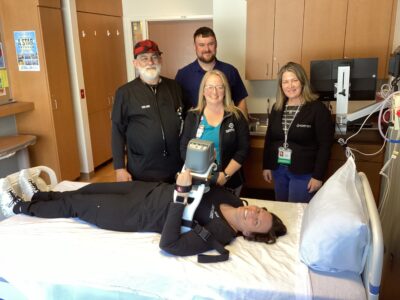
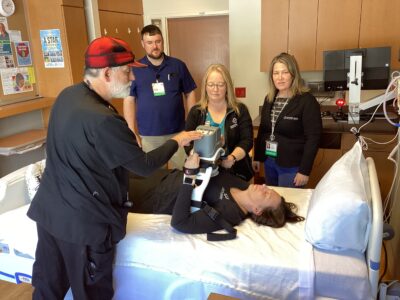
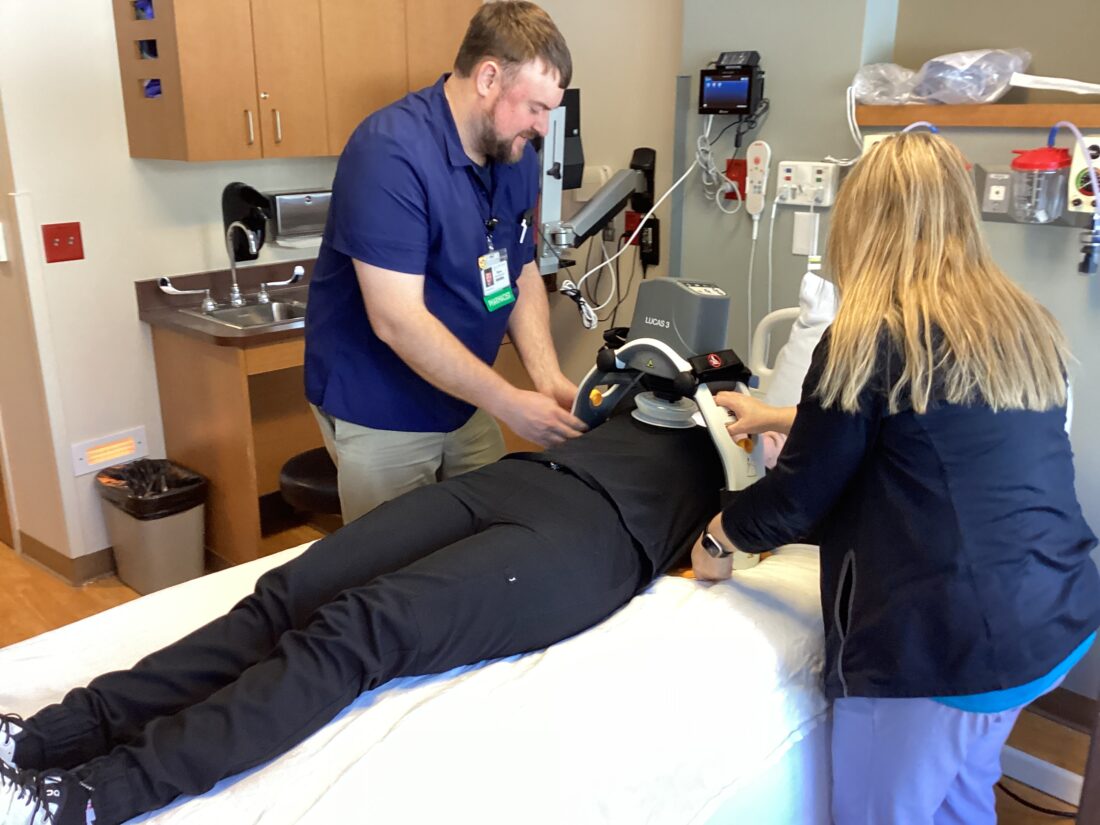
MANISTIQUE — Schoolcraft Memorial Hospital (SMH) announced the purchase of two mechanical chest compression devices, strengthening emergency response capabilities both inside the hospital and throughout the community.
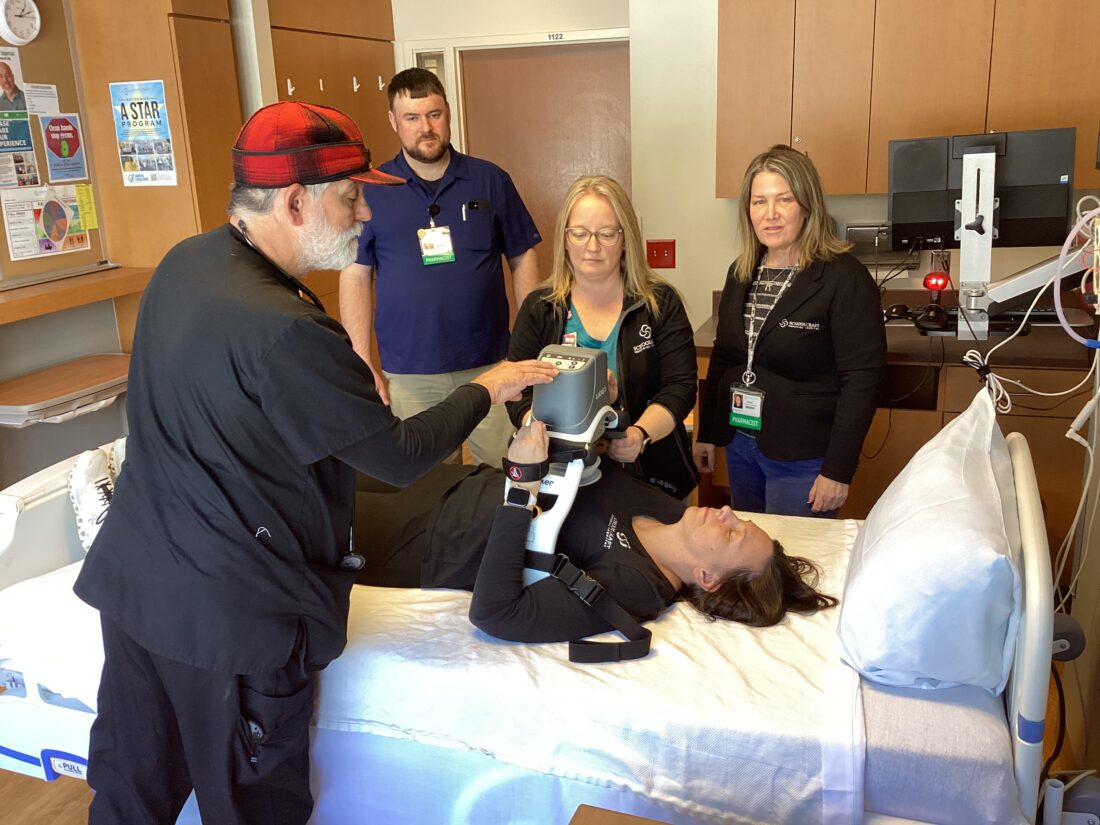
The Lund University Cardiopulmonary Assist System, LUCAS, is a mechanical CPR system that delivers consistent, high-quality chest compressions during cardiac arrest. By automating this critical function, it allows responders to focus on other life-saving interventions while improving safety during patient movement and transport. In rural emergencies — where time, distance and staffing challenges are significant — this technology strengthens the ability to deliver timely, effective care when it matters most.
“In rural emergencies, where time, distance and staffing matter, this technology strengthens our ability to deliver life-saving care,” said Robert Mach, CEO of Schoolcraft Memorial Hospital. “The addition of these devices allows our teams to focus on critical interventions while ensuring uninterrupted, high-quality compressions.”
One LUCAS device will be stationed in the SMH emergency department, while the second will be placed on a local ambulance.
“This strategic placement reflects a strong partnership between Schoolcraft Memorial Hospital and local EMS providers, ensuring continuity of care from the moment emergency responders arrive on scene through transport and into the hospital setting,” wrote SMH in a press release. “By providing consistent, uninterrupted compressions at the correct depth and rate, the LUCAS device enhances patient care while freeing medical personnel to focus on airway management, defibrillation and medication administration — key components of advanced cardiac life support.”
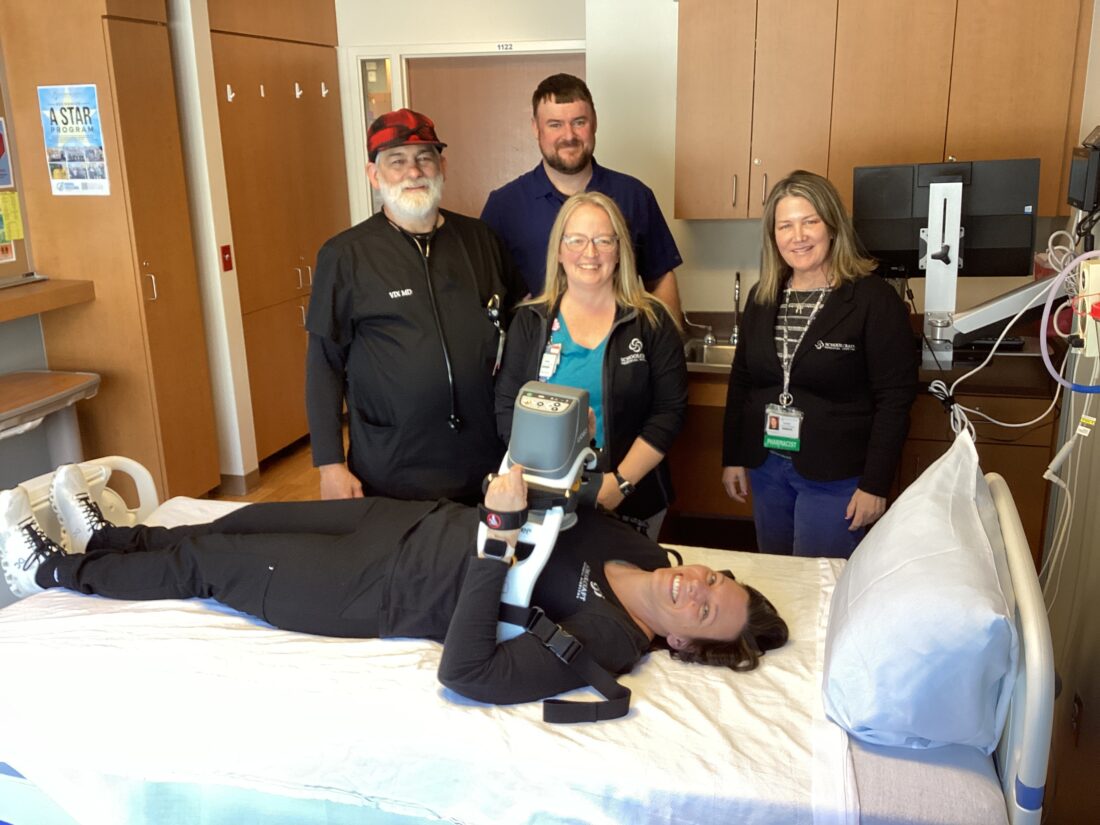
Though the device, produced by medical technology company Stryker, is certainly more precise and consistent than human hands, a couple studies have questioned its effectiveness. A 2019 analysis published by the National Library of Medicine showed that there was “no significant difference” in the survival rates of patients who recieved automated chest compressions as opposed to manual. The same study also criticized the setup time of the device compared to the simplicity and ease of beginning CPR by hand.
However, the same report — edited by Leonardo Roever — noted that the LUCAS was able to provide higher-quality compressions during transport as well as allowing emergency responders to be more safely strapped inside a moving ambulance. The reduction of human fatigue was noted as a benefit, too.
“The LUCAS device will be a welcomed addition to the capabilities already offered by Manistique EMS,” said Manistique Public Safety Director Timothy Russell. “The LUCAS device will reduce rescuer fatigue, enable safer transport of the patient, and free up personnel to perform other crucial, lifesaving tasks. With the continued shortage of EMS personnel nationwide and locally here in Schoolcraft County the device will act as a partner to the ambulance crew already providing live saving care while in route to the hospital.”
The equipment represents a total investment of $26,836.12, made possible through hospital funds and community support. Additional funding was provided by the Sault Tribe of Chippewa Indians 2% Fund in the amount of $8,242.81; the Superior Health Foundation Equipment Fund in the amount of $7,500; and an additional $2,000 through individual and memorial gifts. SMH also recognizes the collaborative efforts of its internal teams, including Med-Surg/ER staff, pharmacy, fund development and senior leadership, whose teamwork and commitment helped bring this initiative to life.
“Thanks to strong community partnerships and dedicated staff, we are better equipped than ever to respond when seconds count,” Mach said.
“Schoolcraft Memorial Hospital remains committed to advancing care and preserving independence by investing in technologies and partnerships that improve access to high-quality health care across Michigan’s Upper Peninsula,” the press release concluded.
Local News
Schoolcraft Memorial Hospital enhances emergency care with new LUCAS devices
Commission considers making historic signs available for Escanaba homes

Sault Tribe directors terminate Tribal Court Chief Judge
Meth suspect arraigned

Solar center near Rock now online