Proposal for psychiatric hospital replaces suggestion for ICE detention at former prison
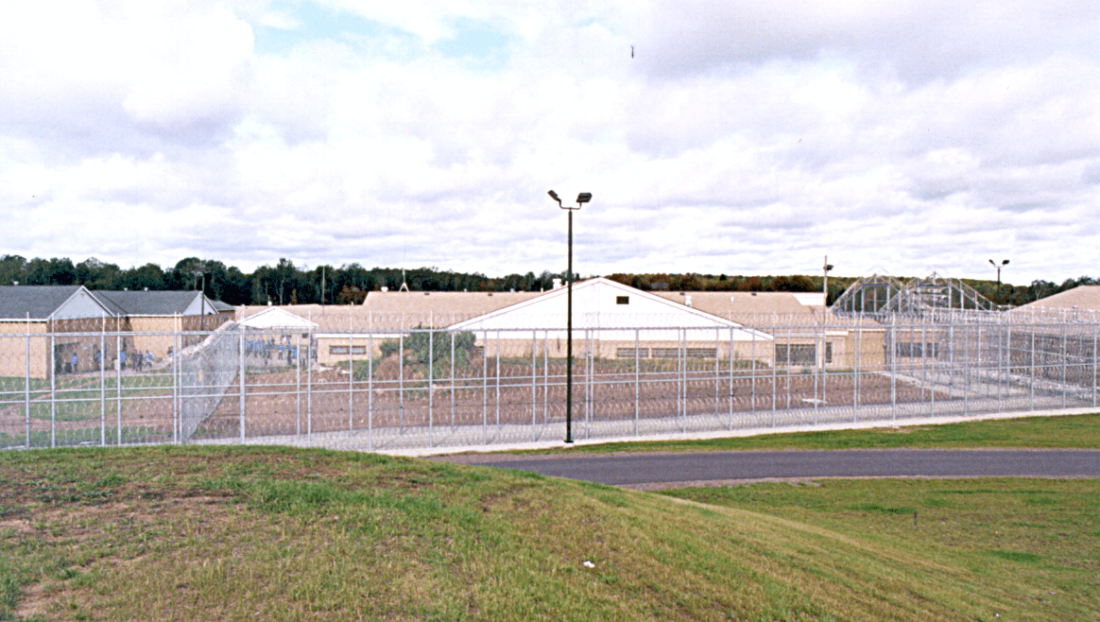
Once Ojibway Correctional Facility, this campus has sat vacant since 2018. The newest proposal for its conversion is to turn it into a psychiatric hospital. (State of Michigan photo)
-
- Once Ojibway Correctional Facility, this campus has sat vacant since 2018. The newest proposal for its conversion is to turn it into a psychiatric hospital. (State of Michigan photo)
-
- A satellite image shows a two-parcel, 125-acre property in Gogebic County owned by the state but unused despite several suggestions since the prison’s closure. (Google Maps photo)
The most recent development is the release of a white paper describing the possibility of a “strategic conversion of the shuttered Ojibway Correctional Facility in Marenisco into a state-of-the-art psychiatric hospital.”
The correctional facility was originally built in 1971 as Camp Ojibway and then converted to a Level II prison in 2000. It housed its last inmates in 2018, at which point the Michigan Department of Corrections closed the 1,180-bed prison, which had 203 employees.
In 2019, Michigan House Representative Greg Markkanen of the 110th District suggested that the facility be used to train correctional staff.
In September 2020, Senator Ed McBroom introduced a bill to allow the State of Michigan to sell the property — technically two parcels. Governor Gretchen Whitmer signed the bill into law the end of that year, authorizing the Department of Technology, Management, and Budget to transfer the property to another entity.
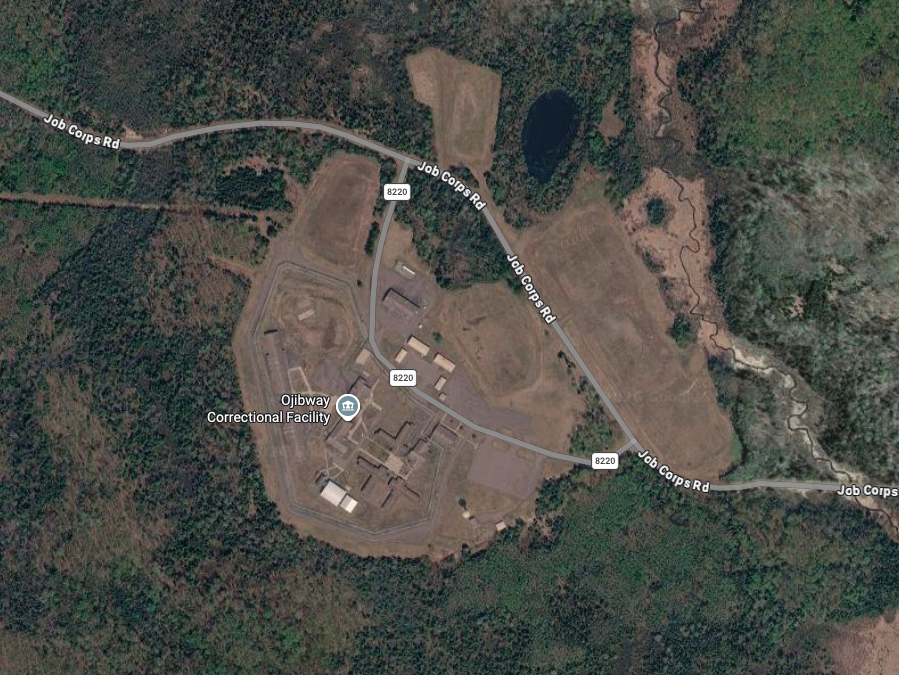
A satellite image shows a two-parcel, 125-acre property in Gogebic County owned by the state but unused despite several suggestions since the prison's closure. (Google Maps photo)
“It is my hope that, through this legislation, the former Ojibway Correctional Facility can find new life,” said McBroom at the time. “The prison’s closure was a great loss to Marenisco and Gogebic County, including hundreds of jobs and millions of dollars in economic activity — losses that are still being felt. It’s past time the state sells the property, so a private company can rebuild, repurpose and reemploy hardworking U.P. residents.”
However, five years later, no deal has been made, although “businesses interested in manufacturing and marijuana production have already expressed interest,” read an MLive article in 2021.
In September 2024, a company called Whispering Cedar, LLC told the Marenisco Township Board that they had made an offer to the state.
“They plan on opening some sort of marijuana production and processing facility, maybe a testing facility and some other kind of research,” wrote Township Board Supervisor Bruce J. Mahler after the meeting. “Plans were not very specific or detailed.”
In the summer of 2025, Michigan House Representative Greg Markkanen of the 110th District proposed a resolution requesting that the federal government use the property as an Immigration and Customs Enforcement (ICE) detention center.
As part of the so-called “Big, Beautiful Bill,” extra funding was allocated to ICE for the establishment of additional detention centers, and now, “for this current fiscal year, (Operations and Support, U.S. Immigration and Customs Enforcement, Homeland Security) has been granted authority to spend $78B out of this federal account.”
However, not everyone is comfortable with the idea.
At a recent Marenisco Township Board meeting, one citizen pointed out that as federal policy changes frequently, “that facility could be empty again” in a few years.
In September, Katie LaCosse of the Houghton County Democratic Party published a white paper detailing a way to repurpose the former correctional facility into a mental hospital. She points out that Michigan operates at just 19 psychiatric beds per 100,000 residents, far below the Treatment Advocacy Center’s recommended minimum of 30 beds and optimal recommendation of 60 beds.
“Beyond addressing the chronic shortfall in inpatient psychiatric care availability, this project serves as a catalyst for economic revitalization of Gogebic County since the facility’s 2018 closure. By establishing a state psychiatric hospital, Michigan can create a new economic anchor, and generate hundreds of high quality jobs for healthcare professionals, administrative leaders, and essential support staff,” read a press release announcing the white paper.
“This proposal is about more than just transforming existing infrastructure. It’s about transforming a former place of incarceration into a center of clinical excellence, thereby showing Michigan’s priority is about healing Michiganders and building a healthier, safer state,” said LaCosse.
Chris Mapps, who is running for State Senate in Michigan’s 38th District, supports the proposal, and said that he shared the white paper with congressional staff in Washington, DC.
Remarking that LaCosse’s hospital proposal would “create permanent jobs while delivering essential care our communities desperately need,” Mapps added, “It’s a serious, community-driven proposal focused on long-term economic stability and meeting a critical regional need.”
When the matter of what to do with the former prison came up in conversation at a Marenisco Township Board meeting this week, many people spoke up in opposition of the ICE detention center idea.
“It’s not going to be an ICE Detention Facility,” Marenisco Township Board Supervisor Bruce Mahler assured citizens, explaining that Markkanen’s proposed resolution would be dropped.
The notion to turn the place into a psychiatric hospital did earn the support of a number of attendees of the Feb. 16 meeting, according to a TV6 article by Colin Jackson.
LaCosse said that she has been contacting political groups, governmental bodies and media outlets across the state. As the next step will be for the State of Michigan to conduct a feasibility study, LaCosse encourages those in favor of the proposal for a psychiatric hospital to write to their State Representatives and Senators in support of such a study.
“We have the existing resources to make this a reality, including four regional institutions of higher learning that already provide a pipeline for the specialized degrees needed to staff a facility of this caliber,” said LaCosse. “More importantly, we have a community across the Upper Peninsula defined by grit and a deep compassion for our neighbors. By pulling together, we can realize the massive downstream benefits of this project, including the appropriate reallocation of our law enforcement and healthcare resources back to the communities they serve.”
Local News
Proposal for psychiatric hospital replaces suggestion for ICE detention at former prison
Urgent need
MARQUETTE — The U.P. Regional Blood Center in Marquette is experiencing a critical need for blood donations of ...

U.P. Republicans are at odds

Winter storm damage

Delta County residents weigh in on proposed Animal Control Ordinance