Wildlife adjust to winter in UP
Riverside
-
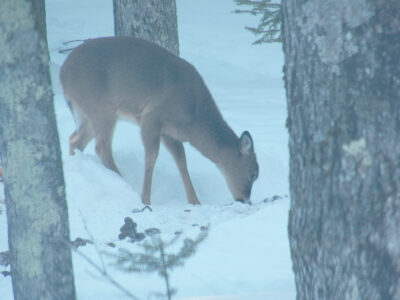
- A young deer steps out of the cedar trees to find a treat. (Karen Wils photo)
-
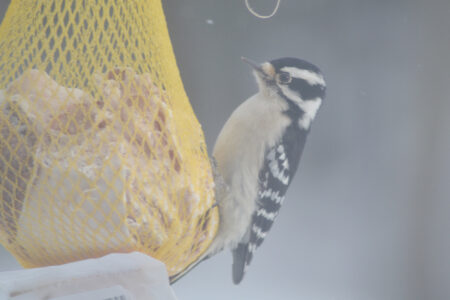
- A downy woodpecker enjoys some tallow on an icy-cold day. (Karen Wils photo)
-

- Karen Rose Wils
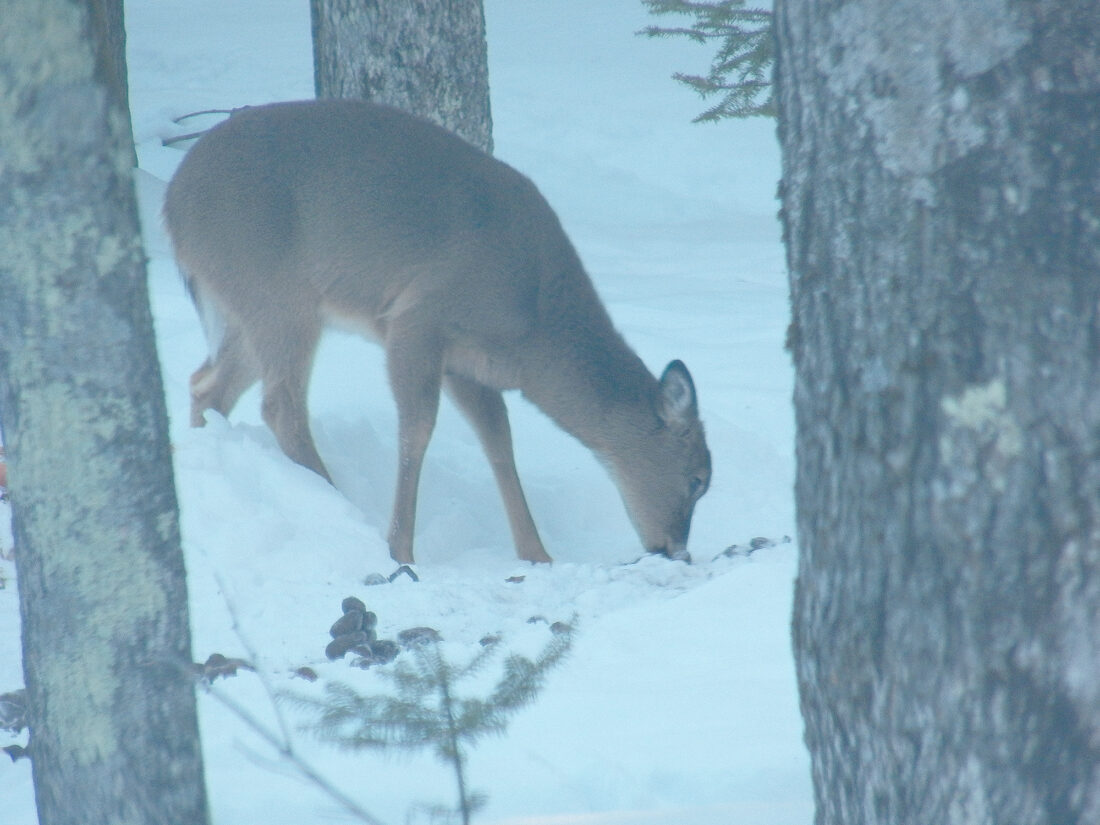
A young deer steps out of the cedar trees to find a treat. (Karen Wils photo)
ESCANABA — Winter with wildlife is a part of the Upper Peninsula’s charm.
When old man winter turns our backyards into a winter wonderland, beauty abounds.
Ski hills, snowshoe trails and hard-water fishing lure us into the great outdoors.
The treetops are laced with snow. Diamonds of ice crystals adorn the stream. It is like a picture-perfect Christmas card scene out there.
We layer up flannel, wool, goose down, thermal knits and Gore-Tex and we enjoy!
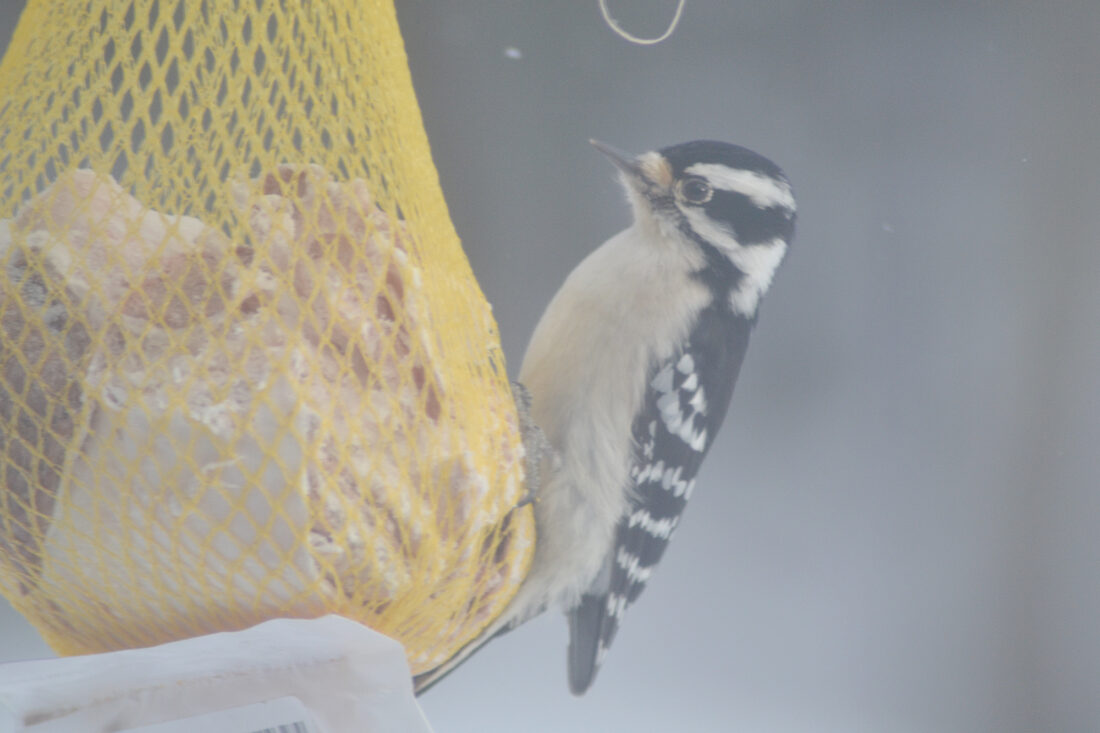
A downy woodpecker enjoys some tallow on an icy-cold day. (Karen Wils photo)
But our furry and feathered friends must play the survival game throughout the winter.
Thankfully even wild indigenous creature has a way to endure winter in the wild.
The seasonal birds fly south. Some critters hunker down and hibernate.
The deer grow insulating hollow hairs in its grey coat that traps their body heat. The snowshoe hare turns white and grows fluffy feet to travel on deep snow. Woodpeckers and nuthatch birds stash seeds and suet.
Hollow trees, underground and under snow tunnels, dens and mud burrows are all sheltering a variety of wildlife.

Karen Rose Wils
How can we help? The best way is by leaving some areas wild. Habitat is what it is all about, especially in the wintertime.
White-tailed deer need cedar swamps for thermal cover and for browse. Red squirrels need conifer trees and gray squirrels thrive in maple and oak trees. The winter-white weasels and ermines need a blanket of snow and lots of mice.
The beaver and the muskrat have lodges on the ice and a food pantry below.
Wood piles and brush piles in your backyard can be a home for cottontail rabbits and deer mice. Corn stalks and raspberry bush left in the fields and gardens can be feed for animals and hiding places for dormant mason bees, butterflies and insects.
Driving a little slower in the winter months can help save wildlife, too.
We all love to see wildlife tracks in the snow. Watching the grey-coated whitetails from our kitchen window or the cute little brown bush bunny munching by the bird feeder are pure Yooper delights.
Feeding the birds and wildlife in the winter is nice but not necessary. Providing quality habitat is essential to keeping the creatures around.
Some woodlands, some wetlands and some meadowlands will help ensure a healthy winter for a variety of wildlife.
There is nothing so nice as seeing many types of wild paw prints in the snow while snowshoeing, skiing or hiking.
Let it be winter. Let it be wild! Be careful and have fun.