‘Child care deserts’ can harm families’ economic security
Daycare dearth in northern Michigan
-

- Children draw in one of the classrooms at the Children’s Promise Centers child care center in Albuquerque, N.M., April 5, 2024. (AP Photo/Susan Montoya Bryan, File)
-

- Zhamilya Yessirkepova, board member at Capital Area Community Services. Courtesy of Zhamilya Yessirkepova
-

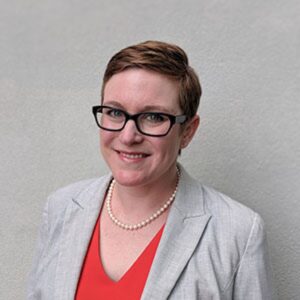
- Anne Kuhnen, Kids Count policy director at the Michigan League for Public Policy. Credit: Michigan League for Public Policy.
-
- Rachel Richards, fiscal policy and government relations director at the Michigan League for Public Policy. Credit: Michigan League for Public Policy.
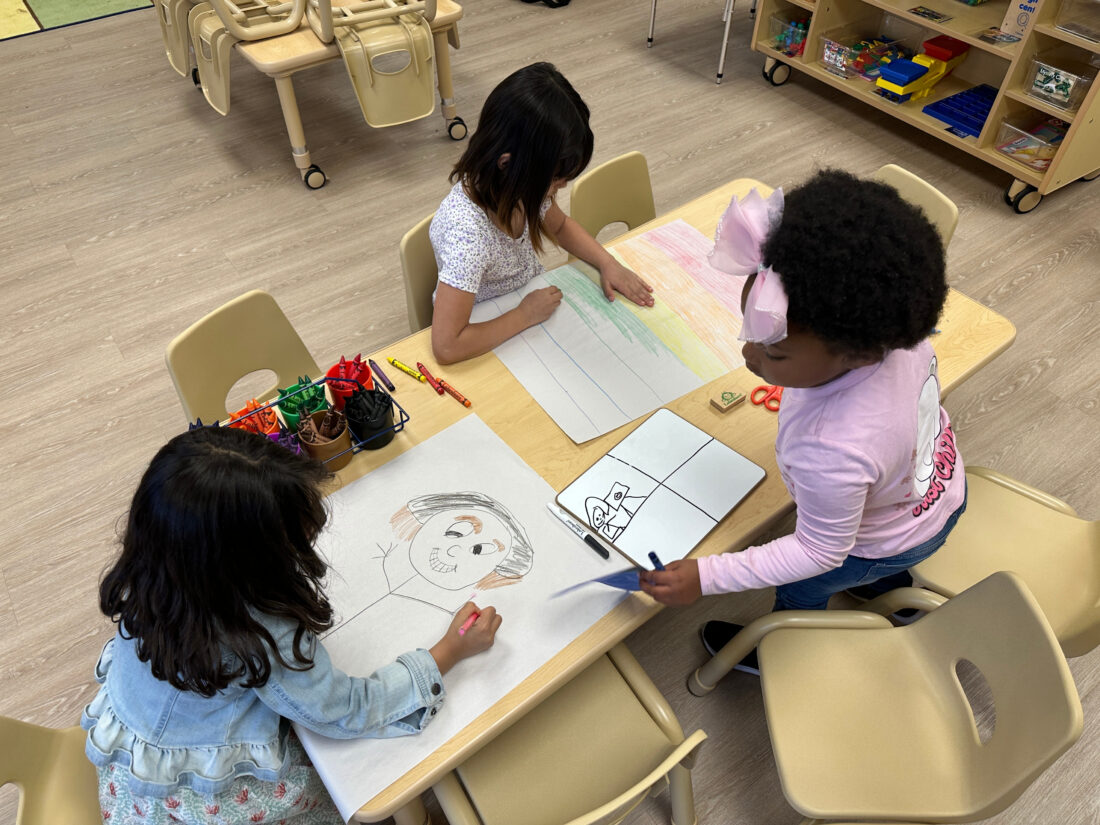
Children draw in one of the classrooms at the Children's Promise Centers child care center in Albuquerque, N.M., April 5, 2024. (AP Photo/Susan Montoya Bryan, File)
LANSING – For thousands of Michigan families, finding child care is not just difficult: It can determine whether parents can keep their jobs at all.
About two thirds of children in the state under age 6 – more than 400,000 kids – have all their parents in the workforce, making child care a necessity for family stability and economic survival, according to the Michigan League for Public Policy.
Yet across the state, many communities are considered “child care deserts,” with far fewer available child care spots than needed.
Experts say the shortage adversely affects both rural and urban communities.
A child care desert is defined as an area with three or more children for every licensed child care slot, said Anne Kuhnen, the Kids Count policy director at the league, a nonprofit research and advocacy organization.

Zhamilya Yessirkepova, board member at Capital Area Community Services. Courtesy of Zhamilya Yessirkepova
“Not all counties are considered child care deserts because the designation is made at the ZIP code level,” Kuhnen said.
“But when we look across counties, there are areas in every county that meet that definition,” she said.
The shortage is especially widespread in parts of the Upper Peninsula, Northeast Lower Peninsula and the southeast corner of the state, Michigan State University data shows.
Available data may also underestimate the shortage because it reflects licensed capacity rather than actual enrollment.
“Some programs might be licensed for 12 slots but only enroll six children,” Kuhnen said.

Anne Kuhnen, Kids Count policy director at the Michigan League for Public Policy. Credit: Michigan League for Public Policy.
“Even the data we have is a high-end estimate of availability, and we know it is still not enough,” she said.
Limited availability isn’t the only challenge: Experts say many families also struggle to find care that meets their specific needs.
“Quite often, it ends up being the lack of appropriate care,” said Rachel Richards, the league’s fiscal policy and government relations director.
Finding child care for children with disabilities or special needs can be especially difficult, she said.
Experts say in some rural communities, families may have only one provider or just a few options, contributing to the formation of child care deserts.
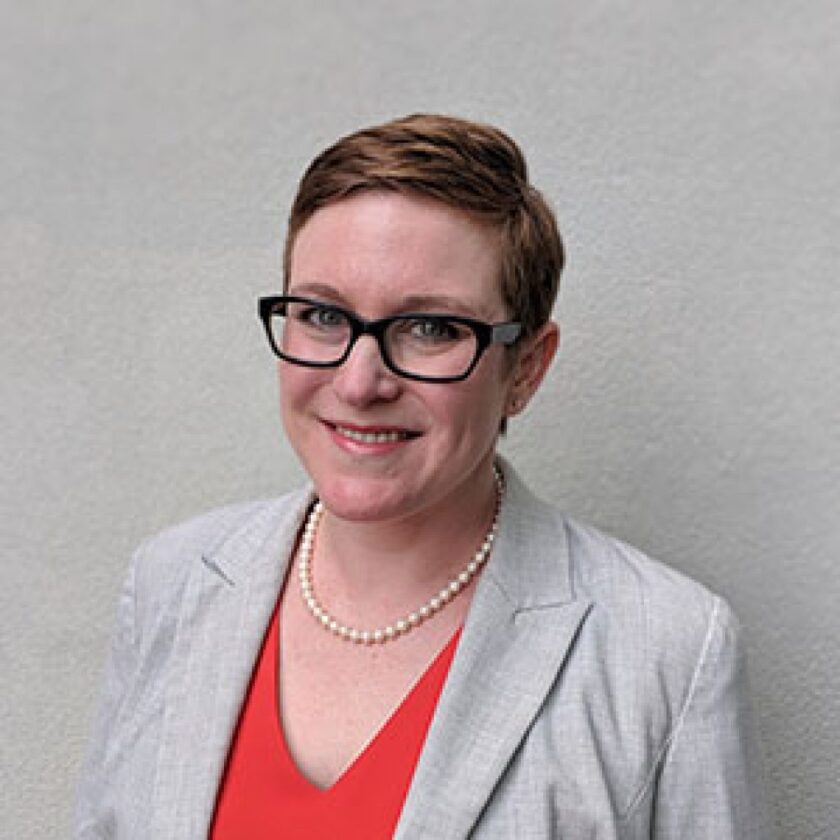
Rachel Richards, fiscal policy and government relations director at the Michigan League for Public Policy. Credit: Michigan League for Public Policy.
And providers say workforce shortages are one of the biggest reasons behind these gaps.
“Head Start has been chronically underfunded, making it hard to recruit and retain qualified staff at competitive wages,” said Zhamilya Yessirkepova, a board member at Capital Area Community Services, which operates in Ingham, Eaton, Clinton and Shiawassee counties.
“I watched teachers run classrooms alone, without teaching assistants – an unfair burden on educators and a direct cost to children’s care,” she said.
Yessirkepova said her perspective is shaped by her experience as a parent in the Head Start program.
She joined the program’s policy council as a parent, later serving as chair before joining the agency’s board of directors.
She said staffing shortages worsened during the COVID-19 pandemic when many early childhood educators left the field, creating waiting lists as demand remained high.
Workforce shortages are closely tied to low wages in the child care sector.
Richards said child care workers in Michigan earn about $14 per hour on average, often without benefits such as health insurance, paid time off or retirement plans.
“We’re expecting them to provide care and early education for our most vulnerable children, and they are among the lowest paid workers in the state,” Richards said.
Even when programs are fully staffed, demand for child care often exceeds available space.
Yessirkepova said her agency’s Head Start programs serve about 900 children, with 45 on the Early Head Start waiting list and 158 waiting for Head Start.
“The need never dropped. The staff did,” she said.
Even families who qualify for financial assistance often face similar barriers.
Richards said Michigan’s child care scholarship program helps low-income families, but limited supply means many eligible children still cannot find placements.
“We only end up serving about half of the children who are eligible, mostly because of access issues,” she said.
A key factor driving the shortage is funding.
Kuhnen said Michigan relies heavily on federal support, with less than 15% of child care investment coming from state funds.
She said greater state investment could help raise reimbursement rates and support higher wages.
“It really does take state dollars to make this a reality,” Kuhnen said.
Providing incentives for child care workers could also help address shortages. Some states allow child care workers to qualify automatically for subsidies for their own children.
Advocates say Michigan could consider a similar policy.
Expanding the workforce through training programs that help current workers earn teaching credentials, along with efforts to improve wages, is also viewed as a key strategy to reduce child care deserts.
Business News
‘Child care deserts’ can harm families’ economic security

Chamber of Commerce welcomes new members

When stock markets get shaken, it can pay for investors to be patient
Limestone FCU hosts financial literacy events for students

Road ends with cold-climate grape and fruit wines