
Trending
When historians one day assess the biggest stories of 2026, data centers will undoubtedly land on their lists. According to the nonpartisan think tank the Brookings Institution, data centers were a major issue in the 2026 midterm elections in the United States, prompting both Democrat and Republican candidates to run ads against data centers.
Many news stories surrounding data centers focused on individual or community efforts to prevent them from being built. Those efforts have piqued the curiosity of individuals across the country and indeed the globe, making this a perfect to time to explore the basics of data centers.
What are data centers?
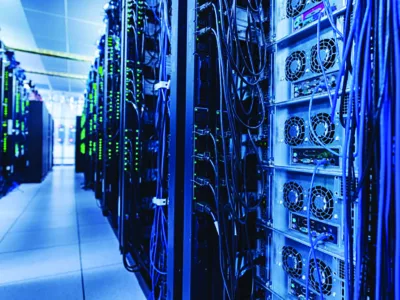
Data centers are physical and centralized facilities that house networking infrastructure that stores, processes and distributes digital data. These facilities are designed to manage significant volumes of data, which is one reason why they tend to be large. However, the data center operator DataBank notes that some facilities are known as edge data centers, which are smaller facilities that handle simpler processing tasks on lower volumes of data. Data centers house the hardware necessary for internet connectivity and large scale software systems. The Center for Scientific Evidence in Public Issues notes that data centers are often referred to as the cloud.
How big are data centers?
The size of data centers varies, but the CSEIPI notes that the average on-site data center houses somewhere between 2,000 and 5,000 servers in facilities that are anywhere from 20,000 to 100,000 square feet.
Why did data centers become such a big issue?
There are many reasons why data centers became such a big issue in 2026, and the rise of artificial intelligence (AI) and the growing reliance on it are among them. The CSEIPI notes that AI-capable data centers require more computing power and energy, and demand for these centers could grow by as much as 22 percent annually in the coming years. Indeed, DataBank notes the number of data centers worldwide is expected to reach 3.6 million by 2027. By 2030, 70 percent of all data center needs could be tied to supporting advanced AI applications.
But the rapidly growing influence of AI and reliance on it are not the only reasons why data centers became such a big story in 2026. The CSEIPI notes that states such as Virginia and Texas experienced rapid growth in data center construction in recent years, and those same areas also experienced some of the biggest increases in commercial energy consumption. That has raised concerns among environmentalists as well as citizens worried that their residential electricity prices, which the U.S. Energy Information Administration reports already increased by 20 percent between 2021 and 2024, could rise even further as reliance on data centers increases and more facilities are built. Indeed, 77 percent of respondents to a 2026 Reuters/Ipsos survey on data centers are worried the facilities will increase their electricity rates.
But it s not just higher electric bills that concern people about data centers. The growing reliance on AI has occurred at the same time the general public has become increasingly wary about AI as a potential existential threat, and analysts at Brookings have noted that data centers have become the means through which those fears are expressed. By opposing data centers, individuals are expressing their concerns about AI, even as their reliance on it grows.
The discussions around data centers are unlikely to subside anytime soon. Staying up-to-date on the issue and doing everything possible to remain informed about data center construction proposals can help people understand how this complex issue may or may not affect their daily lives.