
Trending
Carbon monoxide (CO) is often called the "silent killer" for a chilling reason.
In 2023 alone, there have been 452 victims of CO poisoning. This colorless, odorless gas permeates homes and workplaces, severely threatening human health and safety. With its nearly undetectable nature, carbon monoxide poisoning often goes unnoticed until it's too late. However, awareness, education, and using carbon monoxide alarms have proven to be critical in preventing household tragedies.
Carbon Monoxide: The Invisible Threat
According to the Centers for Disease Control and Prevention (CDC), there are an estimated 50,000 emergency room visits and nearly 400 deaths due to unintentional carbon monoxide poisoning annually in the United States alone. Carbon monoxide poisoning incidents often spike during the colder months when heating systems are in use. The CDC reports that most cases occur between November and February.
A person can be poisoned by even a small amount of CO over a long period or by a significant amount during a short time. Carbon monoxide is a byproduct of the incomplete combustion of fossil fuels such as wood, gas, oil, and coal.
Common household appliances like gas stoves, furnaces, water heaters, and fireplaces can release carbon monoxide if they malfunction or are not adequately ventilated. Even idling cars in garages or using generators indoors can produce lethal levels of this gas. Without specialized equipment, carbon monoxide is virtually undetectable, making awareness and prevention paramount.
Carbon Monoxide Poisoning
Carbon monoxide poisoning occurs when individuals inhale excessive amounts of this toxic gas, leading to a range of symptoms and, in severe cases, death. According to a recent First Alert survey on general fire and CO safety, only half of consumers (51%) know the symptoms of CO poisoning. The symptoms of carbon monoxide poisoning often mimic those of the flu, making it difficult to diagnose without proper testing.
Common symptoms include headache, dizziness, nausea, confusion, weakness, and chest pain. Prolonged exposure to high levels of carbon monoxide can result in unconsciousness, brain damage, and even fatalities.
If a person begins experiencing headaches, dizziness, weakness, nausea, upset stomach, vomiting, chest pain, or confusion, it's crucial to get everybody outside immediately and call 911. Consulting a healthcare professional right away is also imperative.
The Importance of Carbon Monoxide Alarms
The importance of carbon monoxide alarms cannot be overstated. The National Fire Protection Association (NFPA) highlights that homes with functioning carbon monoxide alarms are nearly three times less likely to experience carbon monoxide-related deaths than those without alarms.
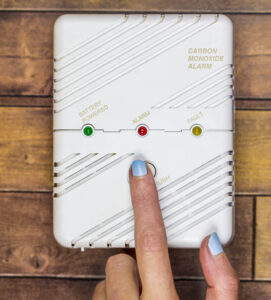
Carbon monoxide alarms are the most effective safeguard against carbon monoxide poisoning.
These devices continuously monitor the air for CO and warn early if dangerous levels are detected.
Carbon Monoxide Alarm Tips
Install and Test CO Alarms
CO alarms are the only way to detect this poisonous gas, yet nearly one-half of Americans report not having CO alarms in their homes because they were unaware they were supposed to or forgot. Install alarms on every level of the house and near each sleeping area, test alarms function monthly, and change batteries every six months.
Alarm Placement
Alarms should be installed in critical areas of a home or business, including near sleeping areas and on each building level. Proper placement ensures that occupants are alerted quickly if carbon monoxide levels rise. To provide maximum protection, consider a smoke and CO combination alarm that detects threats and features voice and location technology. Ensure all alarms are installed at least 15 feet away from CO sources to reduce the chance of false alarms.
Regular Maintenance
Regular maintenance is crucial to ensure the proper functioning of alarms. This includes checking batteries, replacing units as the manufacturer recommends, and testing alarms monthly.
CO Alarm Types
There are various types of carbon monoxide alarms available, including battery-powered, plug-in, and hardwired models. Choose the type that best suits your needs and follow installation guidelines.
Interconnected Alarms
In larger properties, interlinked alarms are a valuable addition. When one alarm detects carbon monoxide, it triggers all alarms in the network to sound, providing comprehensive coverage.
Carbon Monoxide Alarm Certification
Look for alarms certified by reputable organizations such as Underwriters Laboratories (UL) to ensure they meet safety standards.
Preventing Carbon Monoxide Poisoning at Home
Besides installing carbon monoxide alarms, there are several other steps individuals and families can take to prevent carbon monoxide poisoning:
Regular Appliance Maintenance: Have heating systems, water heaters, and other fuel-burning appliances inspected and serviced by qualified professionals annually.
Proper Ventilation: Ensure that all fuel-burning appliances are adequately ventilated. Blocked vents can lead to the accumulation of carbon monoxide indoors.
Safe Practices: Never use a gas oven or stove to heat your home, and avoid running vehicles or generators in enclosed spaces like garages.
Monitor Fireplaces: If there is a fireplace, ensure the chimney and flue are clean and in good condition.
Stay Informed: Stay informed about carbon monoxide safety and educate your family members about the risks and preventive measures.
Don't Use Generators Indoors: About 70 people die each year from CO poisoning caused by portable generators, so in the case of a power outage, only use them outside and never inside the home, in a garage, or in any confined area that can allow CO to collect. Be careful to follow operating instructions closely, and avoid using charcoal grills, camp stoves, and other similar devices indoors.
Never Leave a Car Running in an Attached Garage: Never leave a car running in an attached garage. Even if the garage door is open, CO emissions can leak into the home.
Protecting Lives through Carbon Monoxide Awareness
Carbon monoxide awareness is not just a public safety initiative; it's a matter of life and death. The invisible threat of carbon monoxide can infiltrate homes and workplaces, jeopardizing the well-being of those inside. With the help of carbon monoxide alarms and a commitment to education and prevention, people can combat this silent killer and save countless lives.
Remember, carbon monoxide poisoning is entirely preventable. By taking simple steps, such as installing alarms, practicing regular appliance maintenance, and staying informed, homes and communities will be safer from the dangers of carbon monoxide. As the saying goes, knowledge is power. In the case of carbon monoxide, knowledge can be the difference between life and death.
-- -- --
This article was produced by Media Decision and syndicated by Wealth of Geeks.